

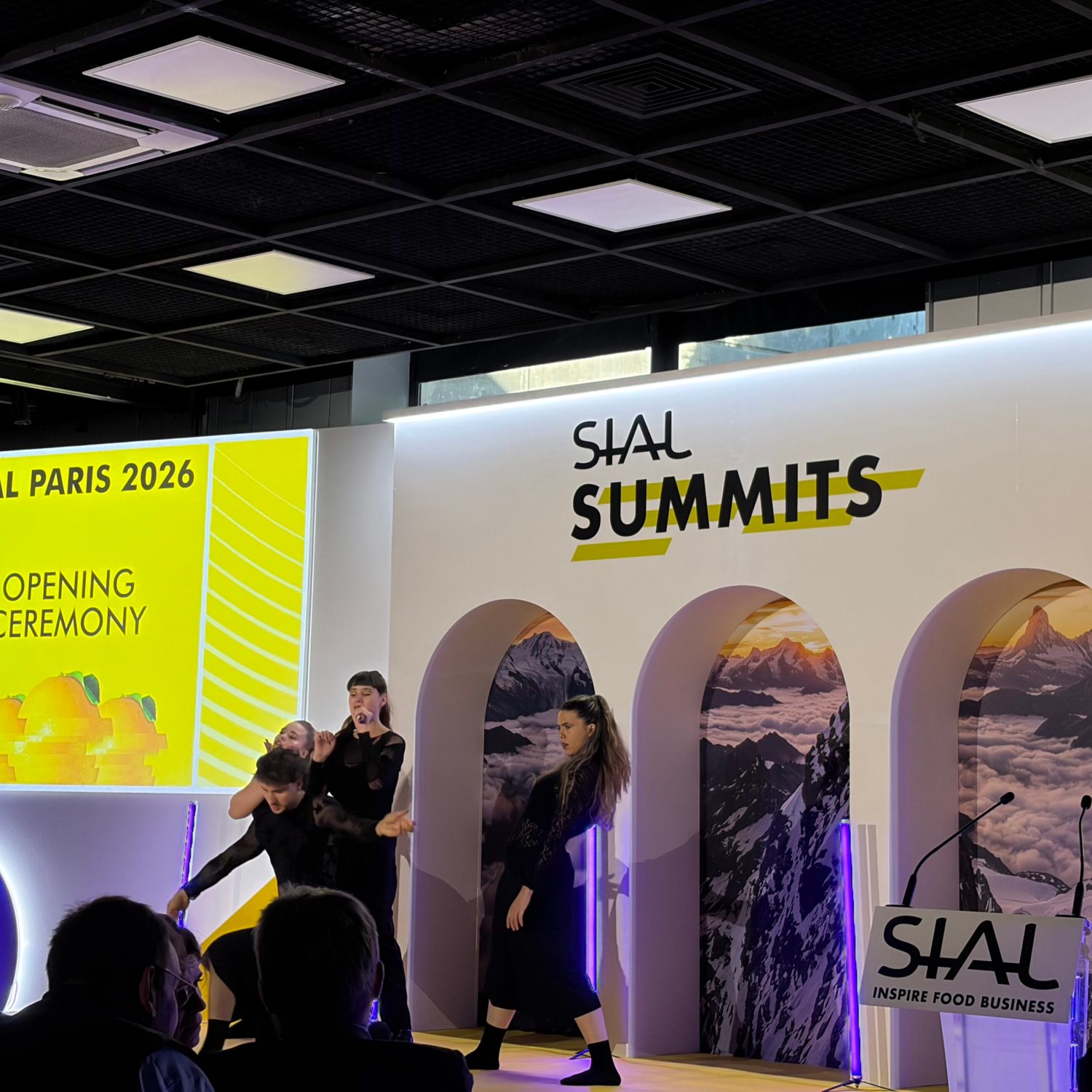
At SIAL Paris 2026 the Italian agri-food industry is present with a wide and articulated presence, in which regional productions, enterprises, consortia and institutions meet directly with one of the main international markets of the food sector. The Paris trade fair thus confirms its role as a trading platform before it is exhibiting: a place where the quality of the product must be translated into relationships with buyers, importers and distributors and, especially for medium-small businesses, in new opportunities for access to foreign markets.
Among the Italian presences, Universal Marketing has coordinated a representation of about 200 companies on more than 3,000 square meters of exhibition area, alongside in this edition Sicily, Calabria, Campania, Molise, Lazio, Sardinia and Puglia, as well as consortia and other realities of the sector. A participation that continues the work developed by society alongside the Regions in the international promotion of the respective agri-food chains.
The role of Universal Marketing is, in fact, part of a wider activity of accompaniment of the territories in the main international events: from the construction of the exhibition presence to the valorization of the productions, to the creation of conditions for the encounter between companies and professional operators. In Paris this model allowed seven regions to present very different productive identities within a common framework, while maintaining recognisability and spatial specificity.
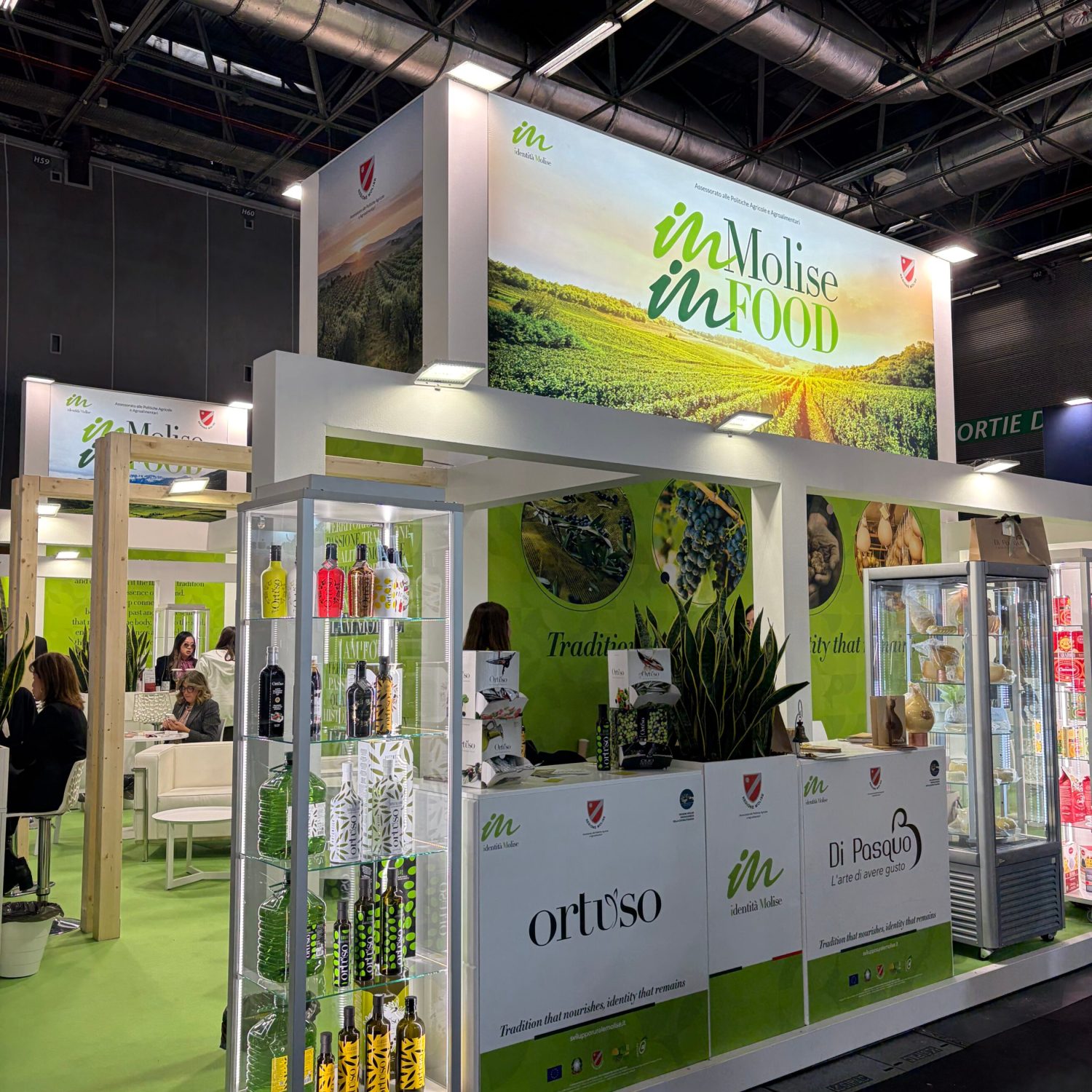
The variety of participation returns well the structure of the Italian agribusiness. Molise, characterized by a fabric composed mainly of micro and small enterprises, focuses on certified productions and public support as a tool for promoting internationalization. Calabria has arrived in Paris with 39 companies and with an offer that crosses agribusiness and beverage, making biodiversity and the relationship between product and territory one of the central elements of its proposal.
Sardinia has focused attention on its historical dairy productions – Pecorino Romano, Pecorino Sardo and Fiore Sardo – and on the need to transform the uniqueness of the territory into a competitive advantage, at the same time facing the major costs related to the insularity. Sicily, Lazio and Puglia have contributed to the presence coordinated with their respective companies and productions, further expanding the picture of the Italian offer presented to international operators.
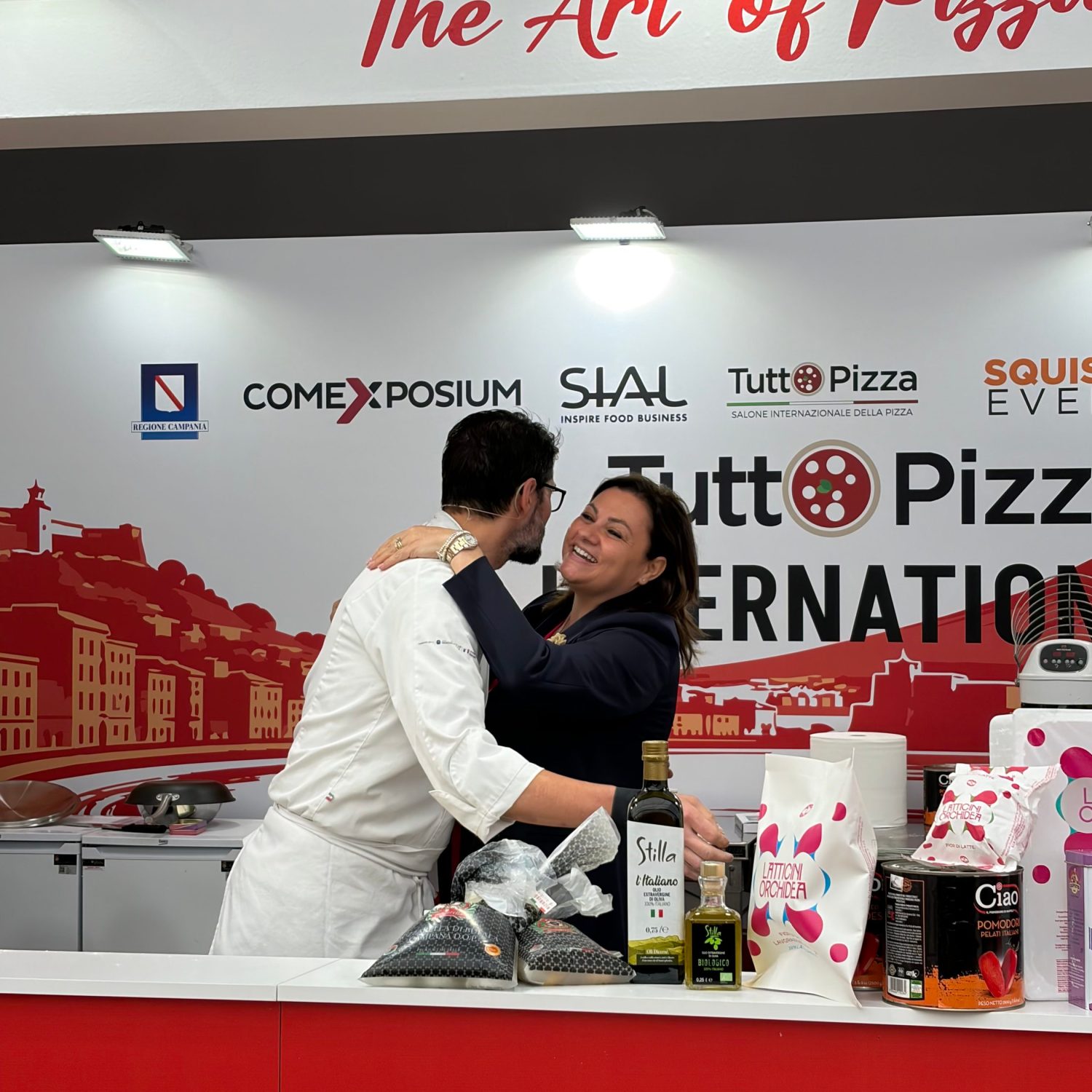
Campania chose instead to start from one of the most recognizable symbols of its gastronomic culture. With TuttoPizza International, developed in the context of SIAL, pizza becomes the point of access to a much wider supply chain: flours, tomato, mozzarella and fiordilatte, oil and other regional productions. The art of Neapolitan pizzaiolo, recognized by UNESCO as an intangible cultural heritage, is thus used not only as an identity element, but as a tool for promoting the entire Campania production system.
The relationship between agri-food and the territory also emerges in the work of the LAG Approdo di Ulisse, which includes Sorrento Peninsula, Amalfi Coast and Capri. The project «New routes for new markets» starts from local productions – wine, oil, cheese, PDO and IGP – to connect them to catering and tourist offer. In this case internationalization does not coincide only with the sale of the product abroad: the goal is to use the reputation of food and wine to strengthen also the attractiveness of the destinations where those productions are born.
It is a significant step because it reflects a more general evolution in the promotion of Made in Italy. In increasingly crowded markets, quality remains a necessary condition, but not always enough. Origin, supply chain, landscape and productive culture become part of the commercial positioning and contribute to distinguishing productions that otherwise would risk being compared exclusively on the price.
The theme is particularly relevant in a phase in which agri-food continues to have a growing weight in Italian exports. At SIAL, the president of the Italian Trade Agency Matteo Zoppas has recalled a value of approximately 72 billion euros for the sector in 2025, within a Made in Italy that aims to reach 700 billion. Dazi, conflicts and geopolitical instability make the picture more complex, but also increase the importance of a structured presence in the markets and coordination between enterprises, institutions and entities working on internationalisation.
The question of Italian sounding remains open, which continues to subtract commercial space to authentic products but, at the same time, indirectly measures the strength reached by Italian cuisine in the international imagination. The challenge is to convert this notoriety into greater recognisability of origin and in a conscious choice of the Italian product.
In this context, fairs like SIAL maintain a very concrete function. Show cooking, tastings and professional meetings serve to present the products, but above all to put the companies in the condition to verify the answer of the markets and build commercial relationships. The size of participation coordinated by Universal Marketing indicates how the collective presence continues to be one of the tools used by the territories to support the international access of their enterprises.
The photograph that comes from Paris is therefore that of an Italian agribusiness that preserves in regional diversity one of its main elements of strength, but that must accompany this wealth with organization, continuity and commercial capacity. The product remains at the centre; however, the supply chain, territory and the ability to build stable relations on international markets are becoming increasingly decisive.
L’articolo SIAL Paris 2026, the Italian agribusiness looks at international markets proviene da IlNewyorkese.