



The platforms that deliver food could have to ensure accidents caused by their riders. Some electric bikes may be gradually excluded from the roads, while those of the sharing services may be equipped with systems that can slow them down until they get on a sidewalk. These are some of the measures examined Wednesday, September 30 by the New York City Council, during a joint hearing of the Transport Committees, Consumer Protection and Workers, and Public Security. There were 21 legislative proposals and two resolutions. The sitting did not turn them into new rules: the measures remained in committee.
To understand what would change you should start with the due distinctions between the means that fall into what people commonly call “electric bicycle”. Electric bicycles are not all the same, and mopeds in the United States belong to another category. The state classification of e-bikes distinguishes, among others, those of class 2, with engine assistance up to 20 miles per hour, from those of class 3, which arrive at 25: about 32 and 40 kilometers per hour. These thresholds describe the characteristics of the means. The circulation limit in the city for e-bikes and electric scooters is instead of 15 hourly miles, about 24 km hours, as recalls the summary published by the Council.
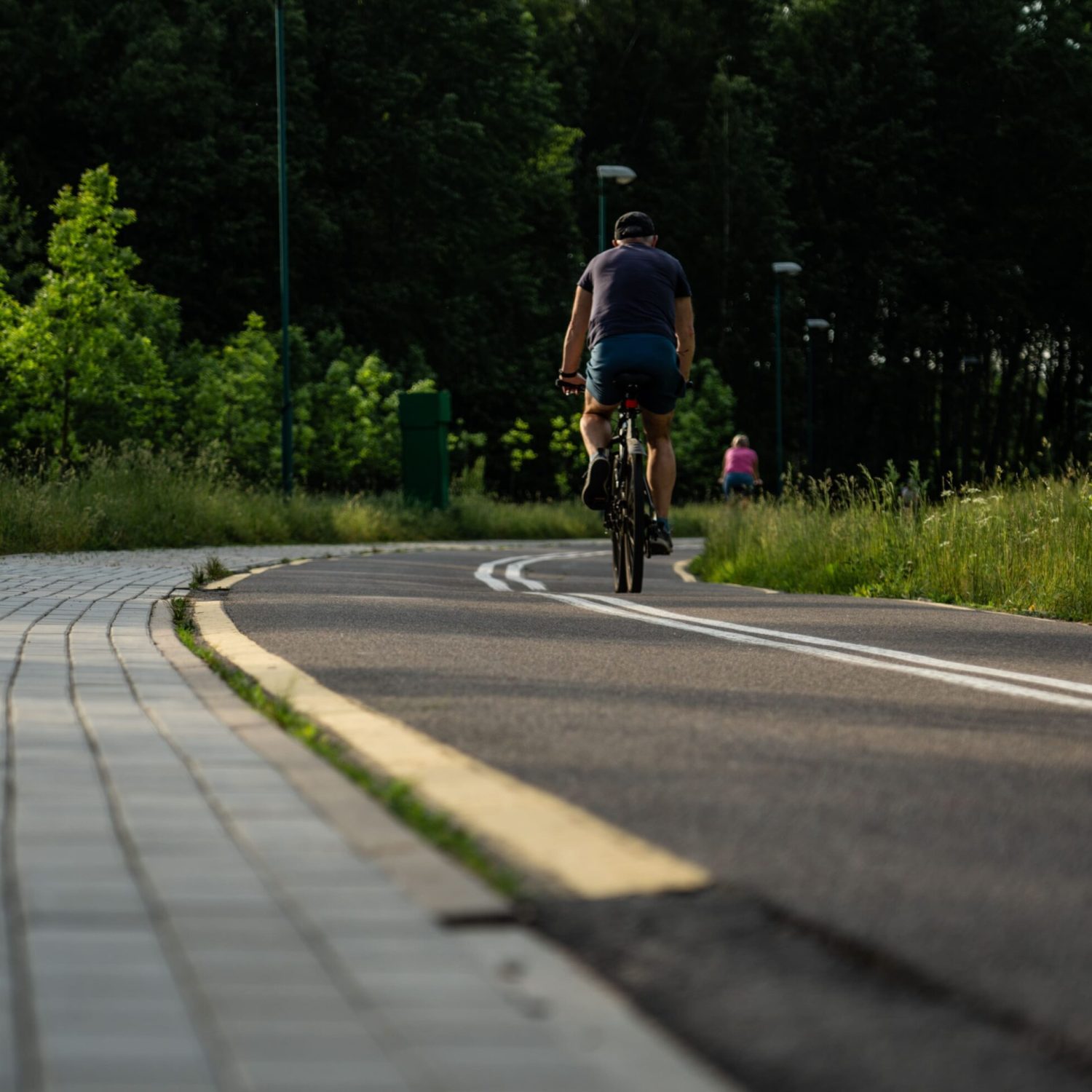
One of the most important changes is the class 3 bicycles. A proposal from the Crystal Hudson Councilwoman would prohibit its sale and rental, with sanctions up to $2,000. A second text would also prohibit the use in roads, parks and other public spaces, providing for an entry into force two years after approval. In the version examined, before April 1, 2029 violations would only lead to a warning; subsequently they would take progressive sanctions and, in some cases of relapse accompanied by a dangerous guide, the seizure of the medium. It is therefore a proposal to gradually eliminate a category that is permitted today, with consequences for those who already own a bike of that type.
This restriction would also require a bicycle replacement programme. Those who deliver a class 3 e-bike or some types of modified or modifiable means beyond the permitted limits may receive a class 1 or 2 bike, free of charge or at a reduced price, or a voucher to purchase it. The text sets a target of at least 10 thousand replacements, subject to demand and participation of retailers, and prevents restricting access based on income or trade. The implementation would also depend on the funds allocated.
Another intervention concerns those who respond economically to an accident. The proposal on platform insurance, presented by Gale Brewer, would require food delivery services to cover civil liability for accidents related to the use of e-bikes and other electrical devices included in the text. The policy should cover both the delivery time and the time when the employee is connected to the app and available to receive an assignment. The minimum ceilings would be $100,000 for injuries or death of a person, 300,000 per accident and 50,000 for damage to things. Without coverage, the platform could not get or maintain the license.
Companies would also be called to intervene on the organization of deliveries. A text submitted by Shaun Abreu and Lincoln Restler, at the request of the mayor, provides the City with the data available on the two previous years. The Department of Consumer and Worker Protection would use them to study how order assignment affects security. From this analysis could derive rules on delivery times, including a minimum time to be granted to the rider without penalty and limits to incentives that push him to complete the route more quickly. The text does not already determine how many minutes a delivery should last: it entrusts the administration with the task of defining the standards after the study.
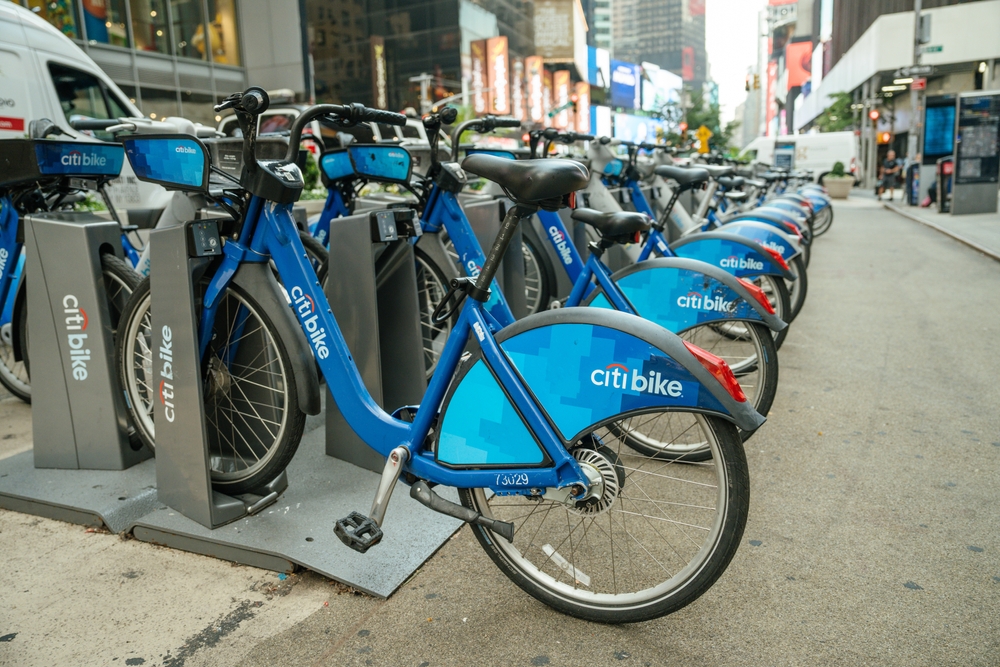
Meanwhile, Abreu’s proposal would oblige managers to install on e-bikes and monopattinis of sharing systems capable of recognizing when the medium climbs or proceeds on a sidewalk. At that point it should gradually slow down until it stops, remaining stuck until it comes out. The obligation would concern the means of shared fleets, and sanctions would be addressed to the owners or managers of the service.
In short, the demands addressed to the Municipality are so many and so different from each other. As Gothamist told, over 75 deliveries workers showed up in City Hall to challenge the measures that, according to them, would increase controls and seizure of bicycles from which their income depends. Workers’ Justice Project supports the obligations for platforms and data collection, but fears that other actions favour discriminatory controls. On the opposite front, the NYC E-Vehicle Safety Alliance, which also represents people invested by these means, considers the insufficient package and asks the state to introduce e-bike plates.
During the hearing, the problem of the application of existing standards has also emerged. According to Streetsblog’s report, Council President Julie Menin challenged municipal agencies to fail to apply the obligation of security vests for delivery workers. The police responded to focus controls on the most dangerous behaviors. It is a matter that will accompany the possible approval of the new measures: establishing what obligations to introduce means also deciding who will have to verify its respect and with which resources. For now, the 30th September hearing did not introduce neither the prohibition of class 3 e-bikes nor the new insurance obligations for platforms.
L’articolo New York wants to re-enter e-bike rules proviene da IlNewyorkese.