

A New York has been awarded the first offers of the 2-K, the program with which city and state finance free services of care and education for children of two years. The families who applied were more than 5,700; the available places were just over 2,000. Almost three questions for each available place.
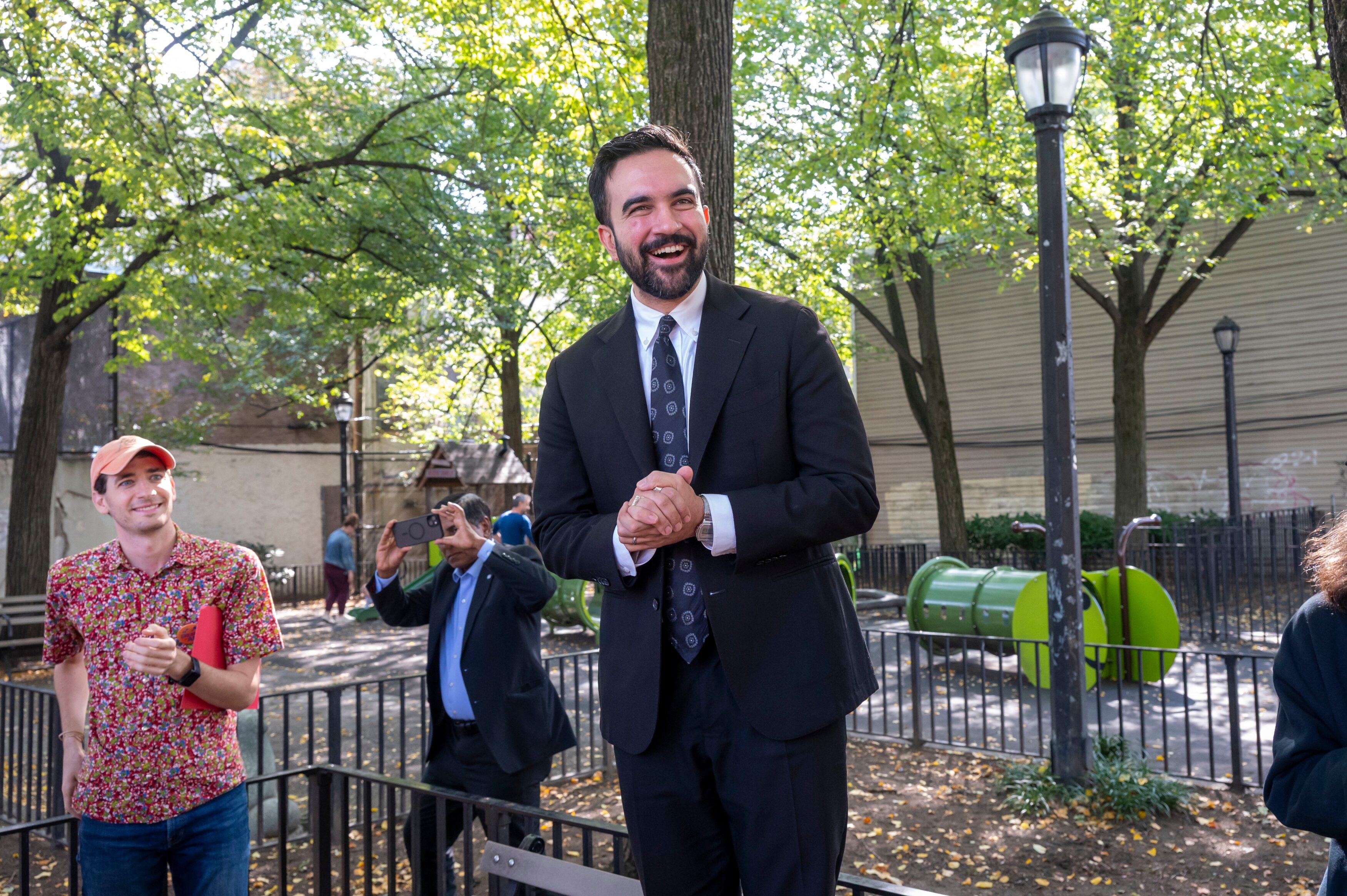
The figure was communicated on 4 August by Mayor Zohran Mamdani and the New York State Governor Kathy Hochul. The program will begin in the fall of 2026, but it is not yet extended to the whole city.
For the first year the places are distributed in five school districts. District 6 includes Washington Heights, Inwood and Hamilton Heights; District 10 includes Fordham, Belmont, Norwood, Morris Heights, Van Cortlandt Village and Kingsbridge. In Brooklyn the service is provided in Districts 18 and 23, in the areas of Canarsie, Remsen Village, Brownsville and Ocean Hill. In Queens, District 27 includes Ozone Park, South Ozone Park, Richmond Hill, Woodhaven, Howard Beach and Rockaways. The list is listed on the NYC Public Schools page dedicated to 2-K.
They could apply New York families with children born in 2024. It was possible to indicate programs outside their own district, but children living in the area had priority and the city tried to assign them a place near home. The first start did not include Staten Island.
The 2-K will not only take place in public schools buildings. Places will be organized by children’s centres managed by partner agencies and family child care programs, i.e. authorized services that work in private homes and are supervised by NYC Public Schools. Most places will be full-time and throughout the year, not only during the school calendar.
The city received over 5,700 questions, but could offer a place just over 2,000 children. The offer was a proposal to sign up for a specific 2-K program: a centre for childhood or a family child care service indicated in the application. Among the families to whom this proposal was sent, 82 percent received a place in one of the three programs indicated as favorites, more than half in the program chosen as the first option. These percentages describe how the allocations have respected family preferences, not how many places were missing. Families without an initial proposal may enter the waiting lists even if they did not apply in June, as the communiqué of the city administration explains.
For a family that accepts the place, the estimated savings is about $26,000 a year. It is the average child care expenditure that, according to the city, that family will no longer have to support. It is not a refund paid to parents, but the value of the free service they receive. The figure was also reported by ABC7 New York.
To activate the first 2,000 places, the state of New York has allocated $73 million. The investment should reach 425 million in 2027, when the planned places will be about 12,000. The overall figure of 1.2 billion dollars announced by Hochul concerns several interventions on early childhood care and education, including the expansion of 3-K and the Child Care Assistance Program: it is not entirely intended for 2-K. The data is contained in the official announcement about the program’s launch.
Dividing the 73 million for the 2,000 initial places you get a figure of approximately 36,500 dollars per place. It is only a division of start funding and not the individual cost of each child. The $26,000, on the other hand, is the average expense that an assigned family will no longer have to support. The two numbers therefore measure different things: the first concerns the public resources put in place to leave, the second the private cost avoided by families.
The objective stated by Mamdani and Hochul is to make the 2-K accessible to all families within four years. The NYC311 page on the program describes the same deadline as achieving full universality. The 12,000 places planned for 2027 are therefore an intermediate phase: to get to all families the city will have to continue to increase the places, financing and the number of services involved.
The 2-K is only about two-year-olds. It does not coincide with the wider project of free assistance for all children from six weeks to five years. The Center for New York City Affairs of the New School estimated that the system would cost in New York between 8.7 and 9,3 billion dollars a year and would require between 7.9 and 5.5 billion additional resources compared to the current city expenditure. The New Yorker had already reconstructed these numbers in the article on the cost of universal free asylum.
The cost of childcare services had been one of the themes of the Mamdani election campaign, as we had already told a year ago in the article on its proposals for subsidized kindergartens and other interventions against the cost of life. The first cycle shows the limit of the current offer, the road is still long but the intention of the mayor seems to be to keep faith in his electoral promises.
The article Free Asili in New York: awarded the first 2000 places of the 2-K program. But the places aren’t enough comes from IlNewyorkese.
L’articolo Asili gratuiti a New York: assegnati i primi 2000 posti del programma 2-K. Ma i posti non bastano proviene da IlNewyorkese.
L’articolo Asili gratuiti a New York: assegnati i primi 2000 posti del programma 2-K. Ma i posti non bastano proviene da IlNewyorkese.