


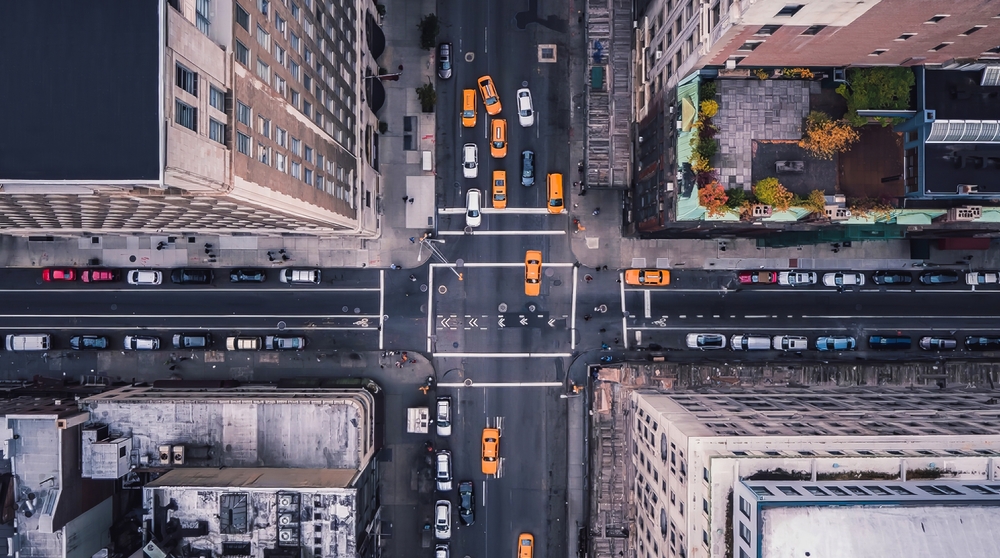
New York launches the challenge to traffic with the Next Stop project, an ambitious initiative supported by Mayor Zohran Mamdani and Governor Kathy Hochul. The objective is to redesign 50 priority corridors of the metropolis and replace 40% of the obsolete bus fleet, guaranteeing faster movements of 20% for over two million daily commuters.
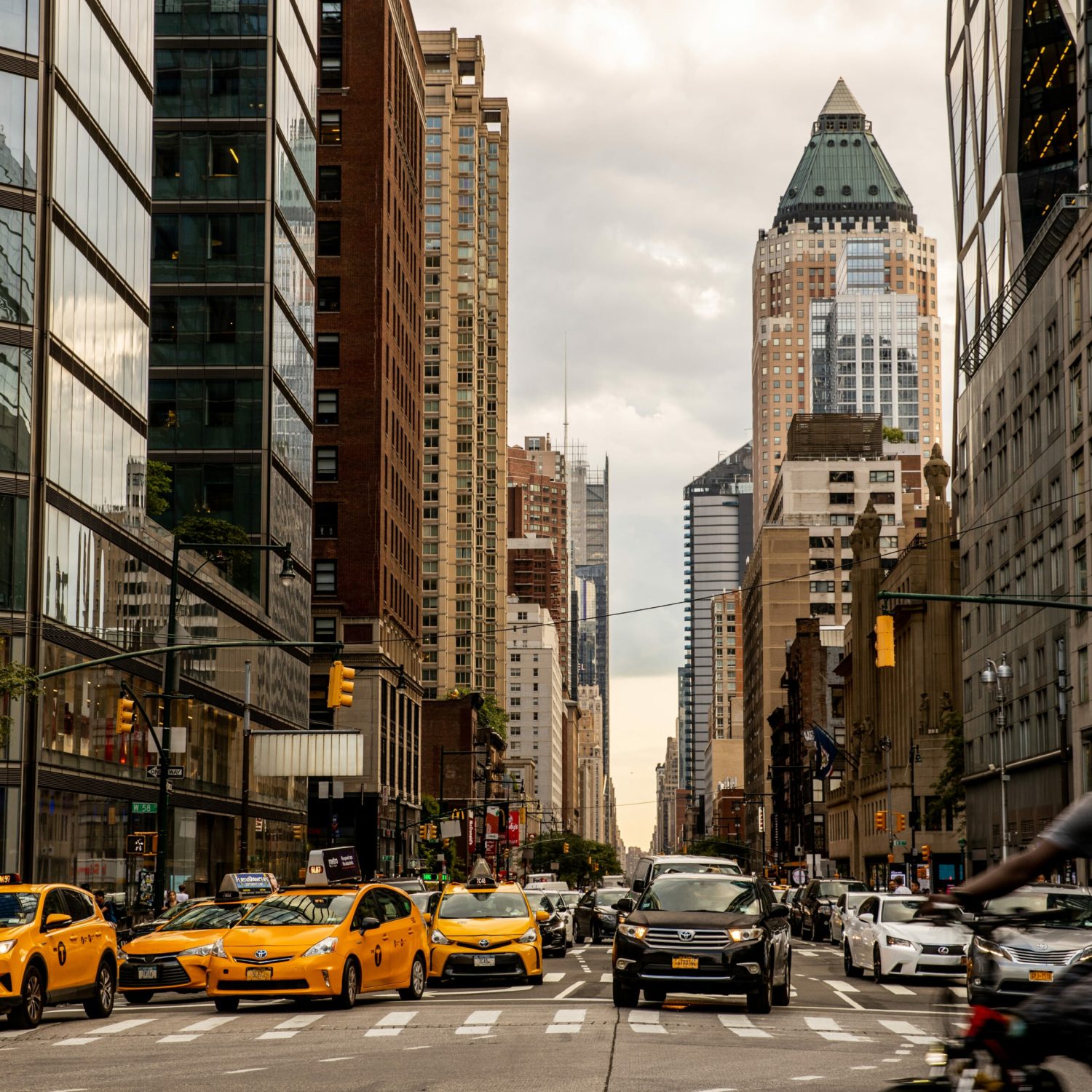
The heart of the reform aims to intervene massively on road management considering that New York is one of the slowest surface networks in the United States, with cars dragging into traffic at an average speed of just 8 miles per hour (about 13 km/h).
According to estimates, the new measures provided by Next Stop will save up to six minutes for each route, ensuring a total recovery of twelve minutes per day for a typical return trip. In order to achieve this, the city will integrate modern road engineering solutions to cutting-edge traffic control technologies and in fact, there are already 28 projects in progress to introduce new preferential reserve lanes by the end of the year.
The main technological interventions envisaged by the plan include: ascent aboard both from the front and from the rear by scanning your card through the electronic system “tap-and-ride”; 25 lights a year dedicated exclusively to buses, which will receive the freeway before other vehicles; 35 corridors per year will be equipped with sensors able to recognize the approach of a bus, extending the duration of green light to favor the passage without interruption; automatic control system to sanction undisciplined motorists occupying preferential lanes through cameras extended to over 50 additional lines by 2027.
The renovation will not only affect travel times, but also the comfort of waiting. Through the investments planned by the plan, the city will realize 300 new roofs by 2028. Moreover, the municipal administration also aims at the ambitious goal of securing seats for all passengers by 2035, starting with the installation of benches or handrails in 875 selected stops this year. To mitigate the summer heat islands, the planning involves the planting of trees near the waiting points and the experimentation of special hangings with green roofs.
The MTA will proceed to purchase 2,500 last-generation buses, retiring 40% of the vehicles, thus guaranteeing a drastic reduction of technical failures and accessibility standards significantly higher.
The long-term vision will culminate by 2030 with the realization of a central lane entirely reserved on Flatbush Avenue to ensure that 90% of New Yorkers live less than half a mile from a fast and reliable connection.
L’articolo Next Stop, the 2,500 new media plan against traffic in New York proviene da IlNewyorkese.