


From 2028 the Neue Galerie of New York will become part of the Metropolitan Museum of Art, which will take over its ownership and management. It is an unusual fusion because it concerns two physically very close institutions: the Met is located on Fifth Avenue, at the height of 82nd Street, while the Neue Galerie is a few blocks north, at the corner with 86th. The new space will be called The Met Ronald S. Lauder Neue Galerie, although in all probability it will be indicated more simply as Met Neue. For the Met will be a new venue, next to the main museum and the Cloisters – the other and so far the unique separate seat of the Met, dedicated to medieval art and architecture, very distinct also architecturally from the main museum since it was built with pieces of medieval European cloisters imported and rebuilt here in New York -, but also a way to strengthen a part of its collection in which so far was less strong: the Austrian art.
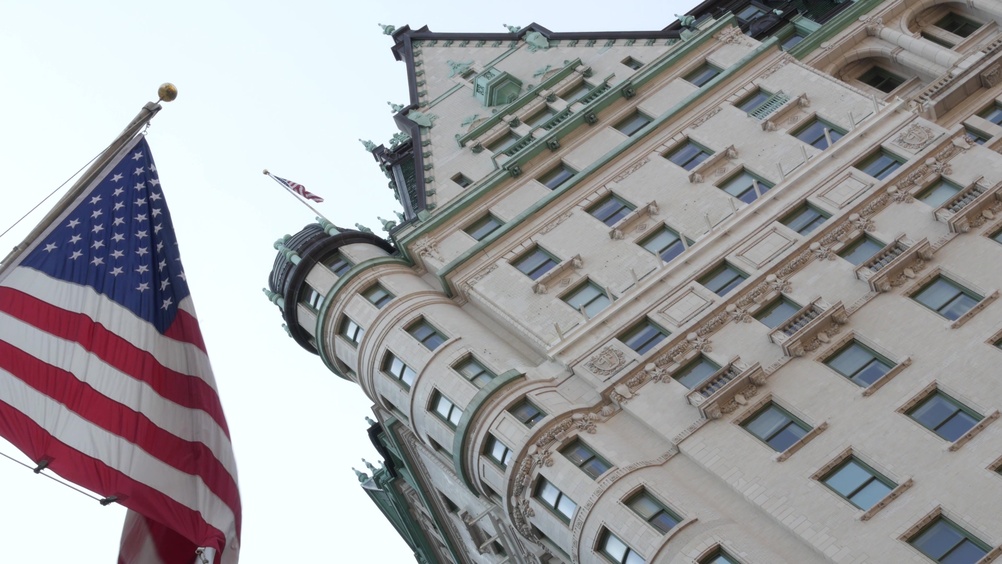
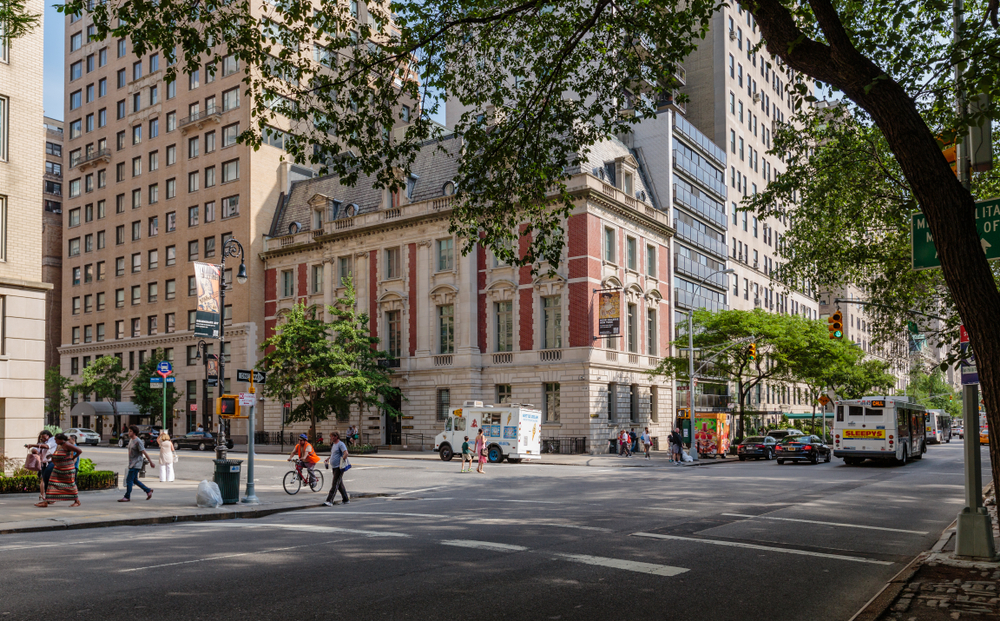
The Neue Galerie was founded in 2001 by Ronald S. Lauder, heir of the Estée Lauder family, along with the merchant and collector Serge Sabarsky, who died before the museum opened. Its headquarters is the William Starr Miller House, a Beaux-Arts house completed in 1914 and designed by Carrère & Hastings, the studio that also created the headquarters of the New York Public Library on 42nd Street. The Neue Galerie has become famous because it does not resemble a large encyclopedic museum, but at a very selective house-museum, built around a period, a taste and an ideal city, that of Vienna and Germany at the beginning of the twentieth century.
The most famous work of the collection is the Portrait of Adele Bloch-Bauer I by Gustav Klimt, also known as The Gold Woman. Lauder bought it in 2006 for $135 million, after a long return story linked to the Nazis’ works to the Bloch-Bauer family. Since then the painting has become the symbolic centre of the Neue Galerie, so that Lauder has called it “our Mona Lisa”. With the fusion it will remain in its current headquarters, but it will enter the Met system along with more than 600 works of Neue Galerie.
The agreement also includes new donations from the personal collection of the Lauder family, including works by Klimt, Max Beckmann, Ernst Ludwig Kirchner, Otto Dix, George Grosz and Franz Marc. The sense of the operation, for the Met, is to capture a vast and consistent collection on Klimt, Schiele, Kokoschka, Beckmann and the German and Austrian avant-garde, instead of building it slowly through individual acquisitions. For Neue Galerie, however, the merger solves the problem that many private or semi-private museums sooner or later face: what happens to a collection when its founder can no longer directly guarantee continuity, funds and direction.
But before the merger there will be a phase of work. The Neue Galerie will close on 27 May 2026 for interventions on the building and should reopen in autumn with an exhibition for its 25th anniversary. It is an important step also to understand how the Met intends to treat the museum: not as a section to be absorbed into the large building on Fifth Avenue, but as an autonomous location, with its own character, the Café Sabarsky, the library and the atmosphere collected that made it different from the other museums of the Museum Mile. And it is also the most delicate part of the deal, because it has to let the Neue Galerie enter one of the largest museums in the world without making it look like a simple annex of the Met.
L’articolo The Met Museum expands from IlNewyorkese.