



A New York renting a house means always accepting that precise balance between the owner’s obligations and the tenant’s responsibility. Heating, hot water and safety devices are among the minimum requirements guaranteed by law. But on a less well-known point, the city regulations continue to create misunderstandings: some life-saving devices installed in the apartments can in fact be charged to the same tenants.
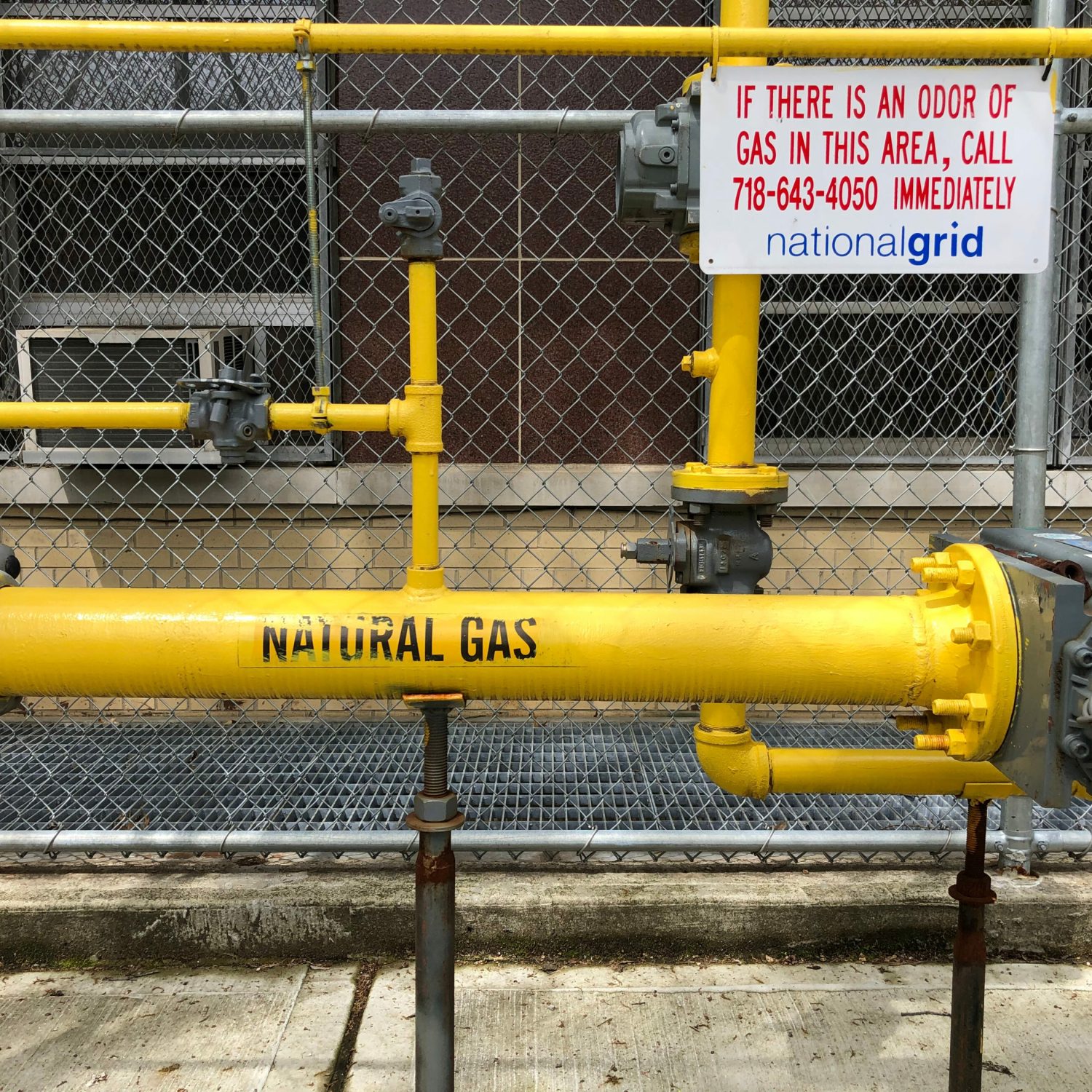
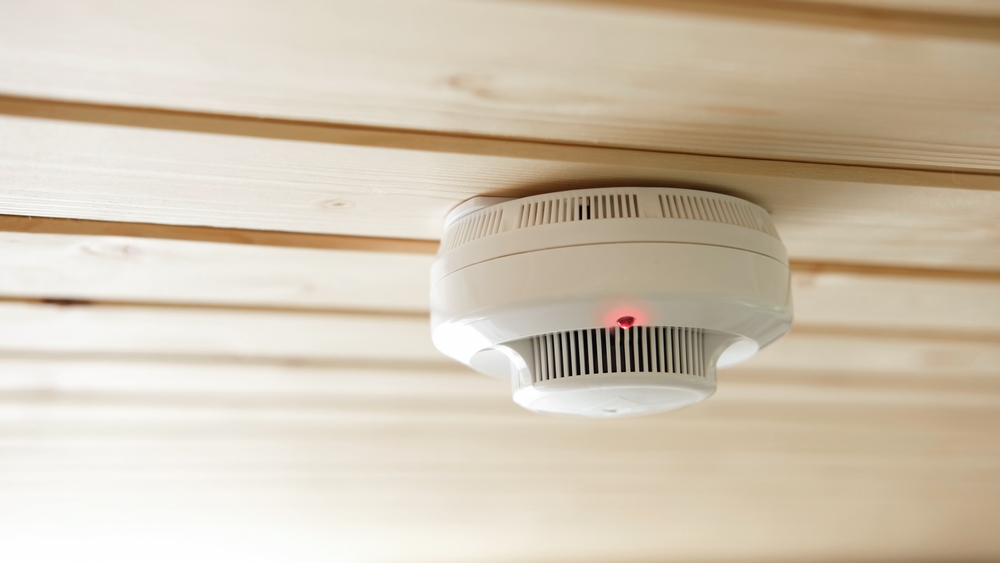
The local regulation provides that the owners should provide and install smoke and carbon monoxide detectors in all apartments. These will be added, by 1 January 2027, natural gas detectors in buildings with gas plants. Devices must be placed within approximately 4.5 meters from the sleeping areas and equipped with end-of-life signaling systems. The measure is part of the strategy of preventing accidents related to gas leaks: the distribution system of the city is very old and in some areas the pipes date back to the end of the nineteenth century. This means that micro-losses are widespread, and although they do not represent an immediate danger, they remain potentially unstable.
The most controversial point concerns the costs: the law allows the owners to request tenants a refund of up to 25 dollars for each installed device, or between 50 and 75 dollars for combined appliances. The request can be applied not only to the first installation, but also to the end-of-life replacement or in case of loss or damage, communicated within a year of installation. Excluding this mechanism are the occupants of buildings classified as “Class B”, as hotels and dorms, where the cost cannot be transferred to users.
In general, the owners must ensure the presence and proper functioning of the devices, while the tenants have ordinary maintenance, such as replacement of the batteries. With the introduction of natural gas detectors, destined to become mandatory in the coming years, the system could become more expensive for those who live on rent.
In case of suspected gas leak, the city authorities recommend leaving the house immediately, reaching a safe place and calling the emergency number. The natural gas is odorless, but is added with substances that produce a smell similar to rotten eggs to facilitate their recognition. The alarm signals are also suitable for pipes, dizziness, nausea and respiratory difficulties.
L’articolo Gas detectors become mandatory, and in some cases they pay tenants proviene da IlNewyorkese.