



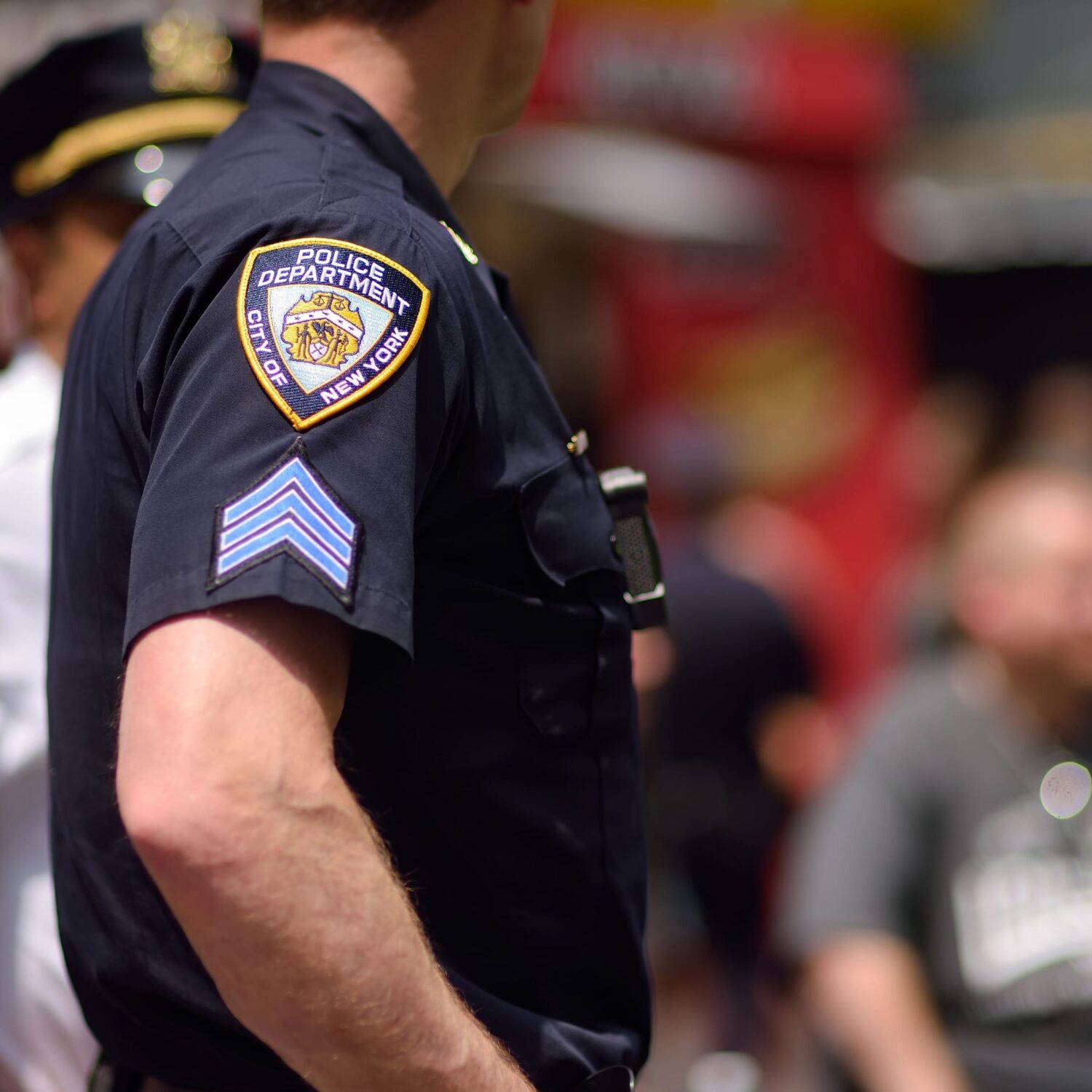
New York police specialized units continue to have more problems than ordinary agents in the way they stop and search people. According to the new NYPD independent monitor report, deposited Monday in a federal court, in 2025 17 percent of the stops examined in specialized teams did not meet the constitutional requirements.
The monitor analyzed a 603 stop sample from Neighborhood Safety Teams, Community Response Teams and Public Safety Teams. Among the same controls he judged not to comply even 31 percent of frisks, superficial controls on the body generally carried out to look for weapons, and 38 percent of the searches. The results are considerably worse than the other NYPD departments: among the agents not assigned to specialized units the odds were 6, 17 and 21 percent respectively.
The teams examined have different tasks, but share a more proactive approach than normal patrol. The Neighborhood Safety Teams, for example, are mainly used in the fight against illegal weapons and violent crime and carry out many controls decided directly by agents, instead of taking action following a 911 call.
It is precisely in the stops initiated by the agents who have long emerged the greatest difficulties. At the end of 2025 of the monitor, 97 percent of the stops made following a radio call had been considered legitimate, compared to 79 percent of those decided independently. For the latter, compliance fell to 64 percent in frisks and 53 percent in searches.
The new report also signals a strong disparity in the composition of persons subjected to controls: 91 percent of those stopped by specialized units was black or Hispanic. In 88 percent of cases it was black or Hispanic male people.
The monitor also detected problems in police internal controls. For about three years the NYPD would not have verified the stops made by the Community Response Team in accordance with the procedures envisaged; the checks were resumed last March. In reports compiled by agents, very similar formulas were also found used to justify different interventions, a practice that according to the monitor can make it more difficult to establish the actual circumstances of each control.
The independent supervision of NYPD dates back to the federal case Floyd v. City of New York, which in 2013 led a judge to declare unconstitutional some stop and frisk practices. Since then, the monitor regularly examines reports of agents, bodycam recordings and internal police procedures.
For 2025, he had set the target of at least 90 percent of compliance to specialized units by the end of the year. In the last quarter, none of the three categories of control — stop, frisk and search — reached that threshold.
The NYPD responded that the total number of stoppages decreased compared to the years in which federal cases began and acknowledged that there remain aspects to be improved. The Mamdani administration said they were examining the report.
The monitor has now set a new objective: within the third quarter of 2026 specialized units will have to reach at least 90 percent of compliance controls and maintain that percentage until the end of the year.
L’articolo NYPD Special Unit Controls under examination proviene da IlNewyorkese.