



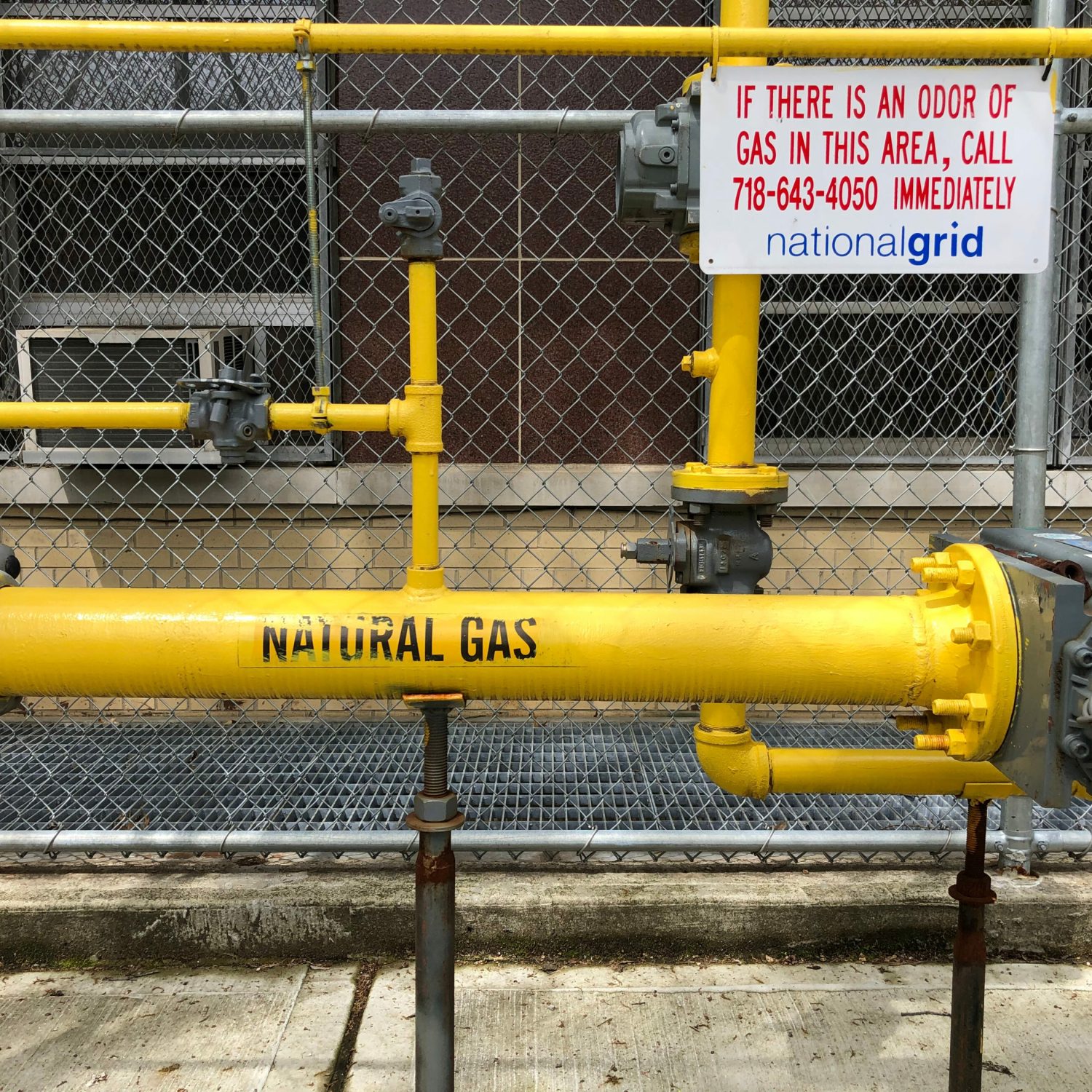
Next winter heating will cost more for about 1.2 million National Grid customers in New York. According to the forecasts spread on Wednesday 14 October by the energy society, a family with consumption considered in the average will spend 1.765 dollars for natural gas between 1 November 2026 and 31 March 2027, about 87 dollars more than the same period last year. The increase will mainly affect Brooklyn, Queens and Staten Island.
The peculiarity is that the price of natural gas should decrease. National Grid in fact previews a reduction of approximately 124 dollars of the component of the bill linked to the purchase of the fuel. The distribution costs will grow, which will increase by approximately 211 dollars. The difference between these two variations produces the overall increase of 87 dollars expected for the winter season.
To understand why you have to distinguish the two main components of the bill. The first, called supply charge, concerns gas purchased on energy markets and used by customers. The price changes according to demand, availability of raw materials and market conditions. The second, delivery charge, includes the costs necessary to transport the gas to the homes, maintain the pipelines, intervene on faults and manage the network.
It is this second component to explain why customers will pay more despite the expected decline in fuel price. The increases derive from a tariff plan approved in 2024 by the New York State Public Service Commission, the state authority governing energy services. The plan allows National Grid to progressively increase distribution rates to finance activities and investments on the network.
The estimates, published in the National Grid official communiqué, refer to a house that consumes 720 therm gas during the five winter months. A therm is an energy measurement unit used in the United States to calculate natural gas consumption. The figure of 1.765 dollars does not therefore represent a fixed tariff, but the estimated cost for a given level of consumption.
Actual bills may be different, especially in terms of temperature. A colder winter than expected could increase the gas needed to heat the homes, while mild temperatures could reduce spending. The size of the apartment, the thermal insulation and the efficiency of the plant also affect the consumption. National Grid has specified that estimates are based on the prices available at the end of September and on weather conditions considered normal.
The increase will not be equal in all areas served by the company. For customers of Long Island and Rockaways, the expected spending for the same consumption of 720 therm will be about $1,461, just five more dollars than last winter. In this case, the decrease of approximately 120 dollars of the supply costs will almost entirely be compensated by an increase of 125 dollars of the distribution rates. The difference depends on the different tariff plans applied to the areas served.
The new increase comes in a context in which the cost of utilities has become one of the main expenses for many New York families, along with rent and transport. As reconstructed by Gothamist, the rise in distribution rates had already been authorized by state authorities and will affect bills regardless of the most favorable performance of the gas price.
Several assistance programmes are provided for families with low income. In November the Home Energy Assistance Program (HEAP) will open, which grants financial contributions to households in possession of the requirements. Support should not be returned and can be used to deal with heating costs.
National Grid also offers the Energy Affordability Program, which provides monthly discounts for eligible customers, and the ENhanced Energy Affordability Program, intended for certain families that do not fall within the requirements of HEAP. Through the Budget Plan, customers can distribute payments more evenly during the year, reducing the differences between summer and winter bills. This last solution does not reduce the total cost of the gas, but allows to better manage the deadlines.
Information on contributions and access arrangements is available in the National Grid section dedicated to bill assistance. Customers who have difficulty supporting payments can also contact the number 1-800-642-4272 to know the available options.
L’articolo New York gas bills increase for winter proviene da IlNewyorkese.