



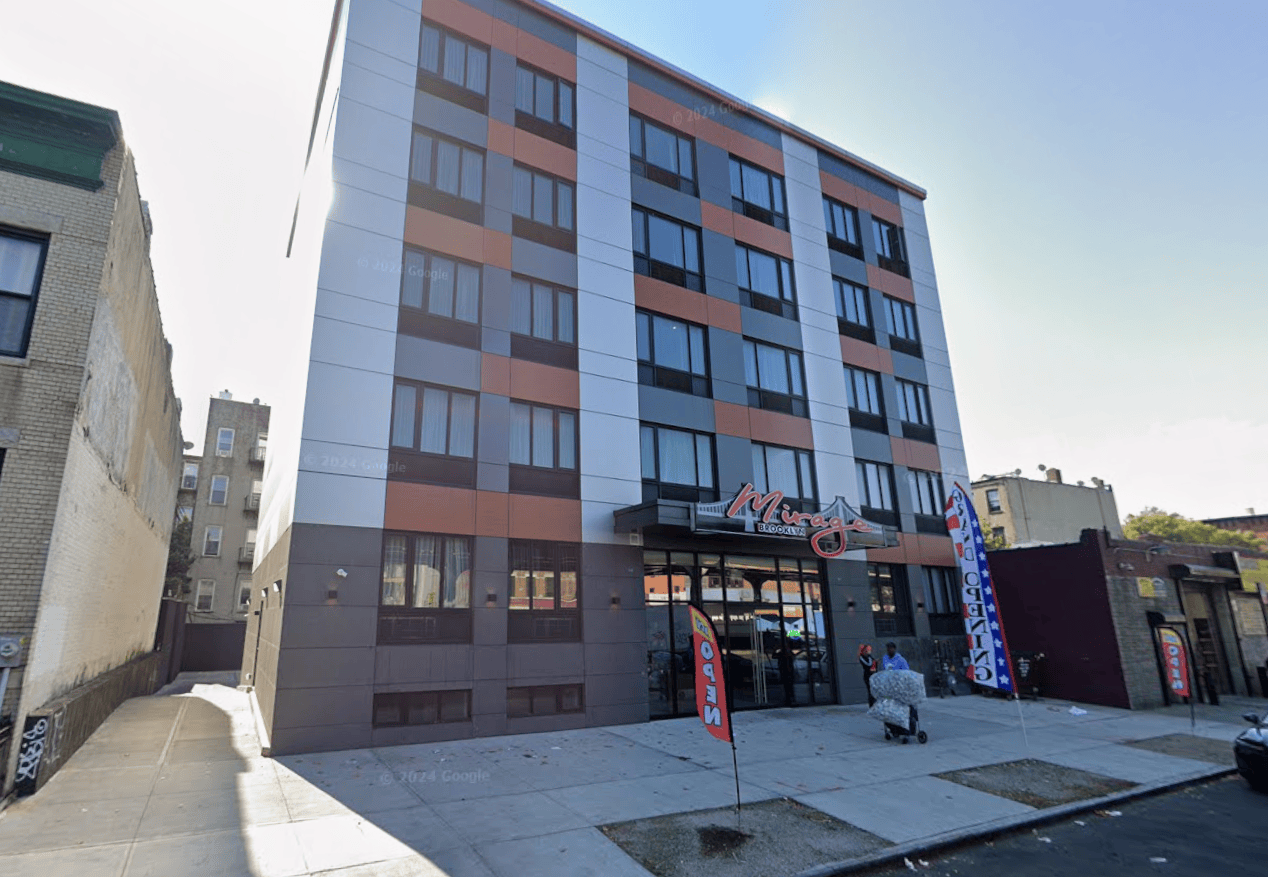
In Brooklyn he opened a facility for people with severe psychiatric disorders that no longer need to stay hospitalized, but they don’t have a home to continue treatment. It is called Bridge to Home, has 50 private rooms and is located on 1464 Atlantic Avenue, in a building previously used as a hotel (former Mirage Hotel), between Crown Heights and Bedford-Stuyvesant.
It is the second structure of this type opened in New York. The first Bridge to Home is active in Midtown Manhattan since September 2025. With the opening of the Brooklyn headquarters, announced yesterday, Tuesday, September 29, from NYC Health + Hospitals, the program will host almost one hundred people simultaneously.
Bridge to Home tries to intervene in a particularly complicated passage of psychiatric care. A person can be considered ready to leave a hospital without being able to live independently. If it is also homeless, remission can mean transfer to a shelter or return to the street, while care must continue.
The structure of Brooklyn is just to cover this period. Guests can stay up to twelve months, or until they are found for permanent accommodation with support services. During the stay, they receive medical and psychiatric assistance 24/7, individual and group therapy, treatment for any addictions and help with the practices necessary to obtain a home. The proximity to NYC Health + Hospitals/Woodhull also allows you to continue using the hospital services.
It’s not a normal homeless dorm. The Brooklyn Community Board 8, which in September had organized a meeting with residents before opening, specified that Bridge to Home is not part of the Department of Homeless Services shelter system. It is managed directly by NYC Health + Hospitals and the entrance is linked to a health path: guests arrive after a shelter and need to continue treatment.
The program starts from a problem that the public health system meets often. NYC Health + Hospitals assists more than 82 thousand people each year for mental health problems, and almost half of these patients live a homelessness condition. For a part of them the absence of a house makes it more difficult to follow with continuity therapies and visits and increases the risk of returning to the emergency or being admitted again.
The first data of the Manhattan structure give an idea of how the program works, although they come from the same institution that manages it and are not yet an independent evaluation. A year after opening, around 80 percent of current guests participate in weekly clinical visits and 70 percent completed a question to get accommodation. Among those who have already managed to move to a permanent accommodation with support services, the average stay in Bridge to Home was about seven months.
The Brooklyn headquarters will begin to welcome the first guests this week. Once you reach full capacity you will have 50 people, all in private rooms. The city has already planned to expand the program: in the preliminary budget for the fiscal year 2027 the Mamdani administration has allocated 11,9 million dollars for new mobile units dedicated to mental health and for a further seat of Bridge to Home.
The model remains small compared to the size of the problem: even with Brooklyn, it can accommodate less than one hundred people at the same time. But try to intervene on a precise point of the system, the one in which a shelter ends and should begin a more stable settlement. For those who don’t have a home, the two things don’t fit.
L’articolo New York opens a new home for accommodationless psychiatric patients proviene da IlNewyorkese.