


With the end of MetroCard, a way to pay bus and subway has also disappeared in New York for decades: to buy a monthly subscription and then travel without limits. The MTA had decided not to transfer this formula to OMNY, preferring a system in which each passenger pays the individual races until reaching a weekly roof.
It is now considering whether to apply the same principle even to longer periods.
The president and CEO of MTA Janno Lieber announced this week that the agency began to study new tariff formulas for OMNY, including the possibility to introduce a daily limit to spending and, above all, a limit on 30 days. Once that figure is reached, the next races would become free until the end of the period.
There is no formal proposal yet, and MTA has not established what these limits might be. Lieber said that the work has just begun and that the different possibilities will be discussed with the agency board. The change could be evaluated together with the next price review.
The starting point is the system OMNY already uses today. A metro ride or local bus costs $3, but a passenger who always uses the same card or device can’t spend more than $35 within seven days. After reaching the roof — normally at the twelfth paid race — the subsequent trips are free until the end of the seven days.
The period must not necessarily begin on Monday. It starts from the first trip made and lasts seven days. If a person uses little public transport and does not reach $35, he only pays the races he has actually done.
This is the difference from the old MetroCard Unlimited.
With the subscription you had to decide before how much you would use public transport and immediately pay the entire price. Until the end of 2025 there existed, for example, a 30-day MetroCard that allowed unlimited travel throughout the period. With OMNY you do not need to buy a subscription: the system automatically counts the races and stops charging them when the threshold is reached.
Lieber has claimed several times that this mechanism is more convenient especially for those with less economic availability, because it does not require to anticipate over one hundred dollars to buy a monthly subscription. It also allows you not to lose money if in a given period you use the subway less than expected.
The consequence, however, was the elimination of a specific tariff for those who use bus and metro for a whole month. With the final move to OMNY, MTA only kept the seven-day mobile roof.
The hypothesis of a do cap on 30 days would partially recover the advantage of the old subscription, but without asking the passenger to purchase it in advance. It would continue to pay $3 per trip; reached a certain overall expense, OMNY would stop charging the races.
The same principle could be applied within a single day. A daily roof would be useful especially to those who take bus and subway on the same day, including visitors: over a certain amount would no longer be necessary to pay.
They are possibilities that OMNY technology allows, but that MTA has not yet decided to use. For this reason, at least for now, nothing changes for travellers.
The agency is instead trying to solve a more immediate problem: many passengers have not yet understood well how to get the free races provided by the current system. Lieber has announced a new informative campaign in the stations and the means precisely to explain the operation of the do cap.
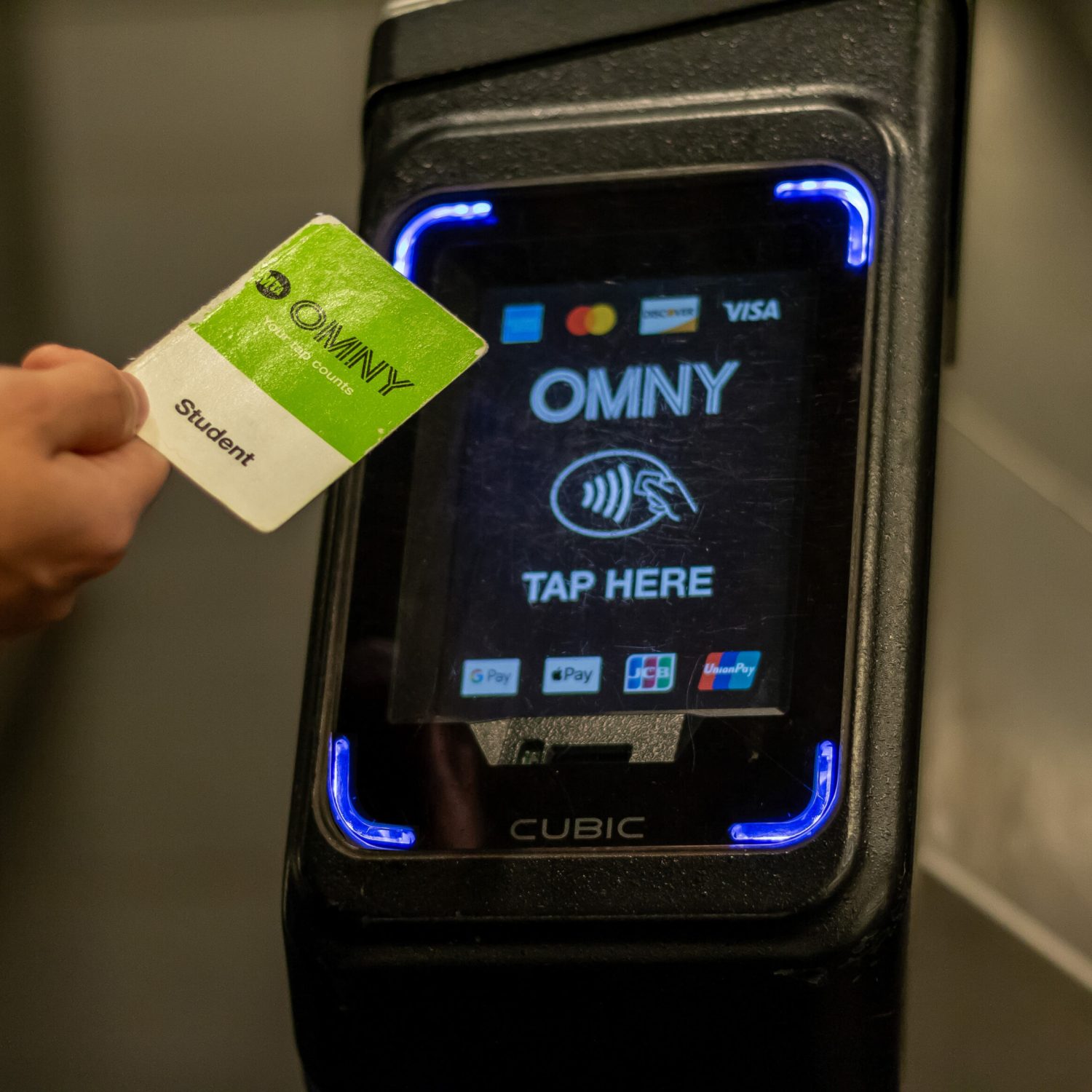
The most important rule is to always use the same payment method. A physical credit card and the same card inserted in Apple Pay, for example, are considered by OMNY two different tools. The races paid with one and the other are therefore not added to reach the weekly roof. The same applies if you alternate an OMNY Card and a bank card.
There is also a less intuitive limit for those who pay the trip of more people with the same card: OMNY allows you to make more taps consecutively, but only the first count towards your weekly roof. Other passengers pay the full fare and those races do not approach the card holder to $35.
The passage to OMNY has therefore changed not only the way you enter the subway, but also the logic with which the discounts are applied. With the MetroCard you had to choose between individual races and subscriptions first; with capping the choice is made automatically after, based on what you actually traveled.
If the MTA decided to introduce a roof over 30 days, the monthly subscription would not really return. But for those who take bus and subway every day, the result could be very similar.
L’articolo With <i>OMNY</i> a kind of monthly subscription comes from IlNewyorkese.