

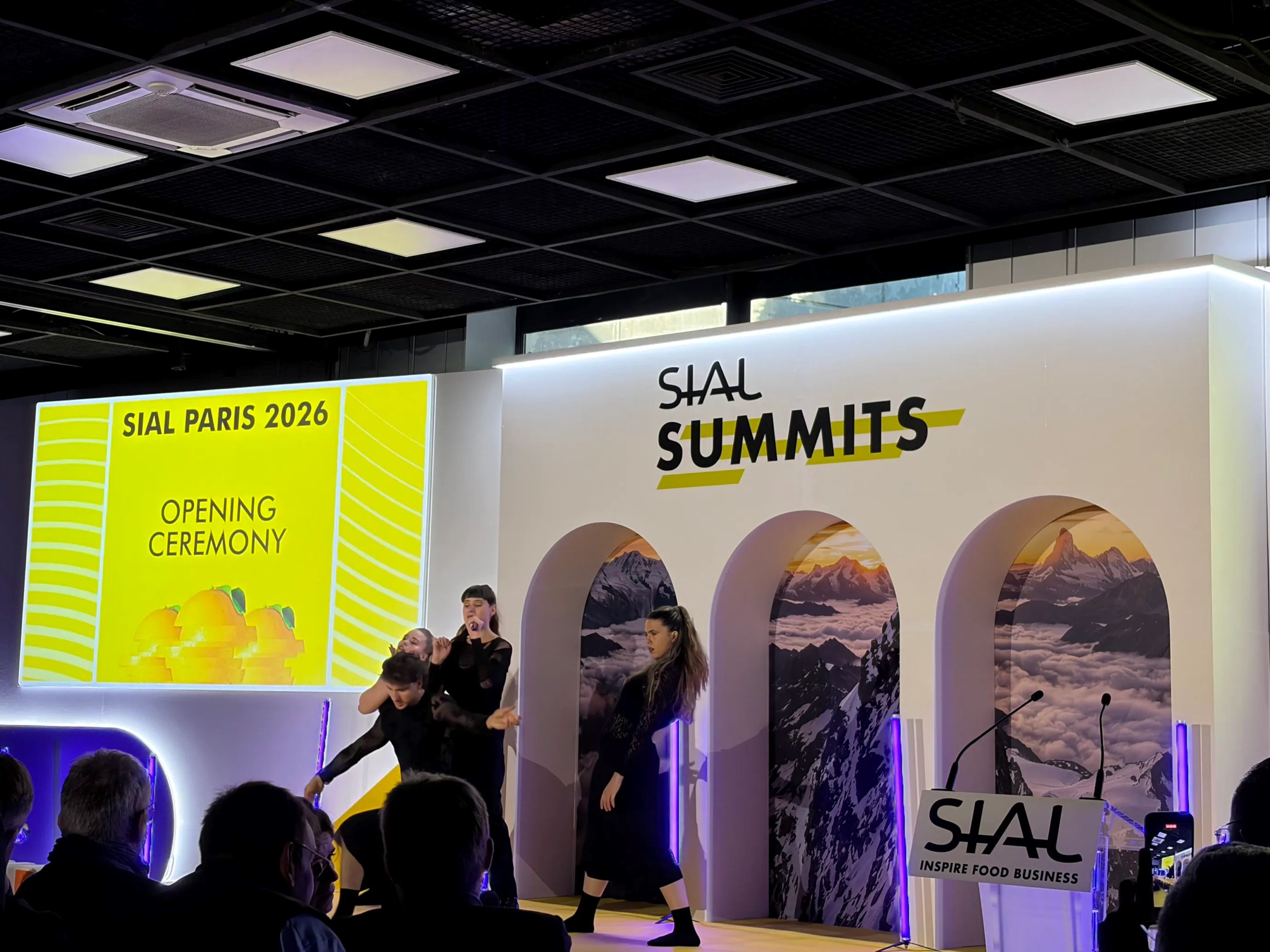
Italy’s presence at SIAL Paris 2026 extended from major food brands to small producers seeking their first contacts in new markets. Around 700 Italian companies exhibited at the five-day trade show, which closed on Wednesday, October 21, at Paris Nord Villepinte. According to the Italian Embassy in Paris, Italy occupied more exhibition space than any other participating country.
For those businesses, the purpose of attending went beyond displaying their products. SIAL brings importers, distributors and buyers from different countries into the same halls, allowing producers to assess demand, discuss distribution and begin negotiations. Collective pavilions and regional support make those meetings more accessible to smaller companies, for which exhibiting independently can require substantial resources.
The Italian Trade Agency, known as ICE, organized a collective pavilion with 218 companies across approximately 3,000 square meters. Universal Marketing, led by Donato Cinelli and the Italian representative for the SIAL network, coordinated a separate presence of more than 200 companies, consortia and producer organizations across over 3,000 square meters. Its participation involved Sicily, Calabria, Campania, Molise, Lazio, Sardinia and Puglia.
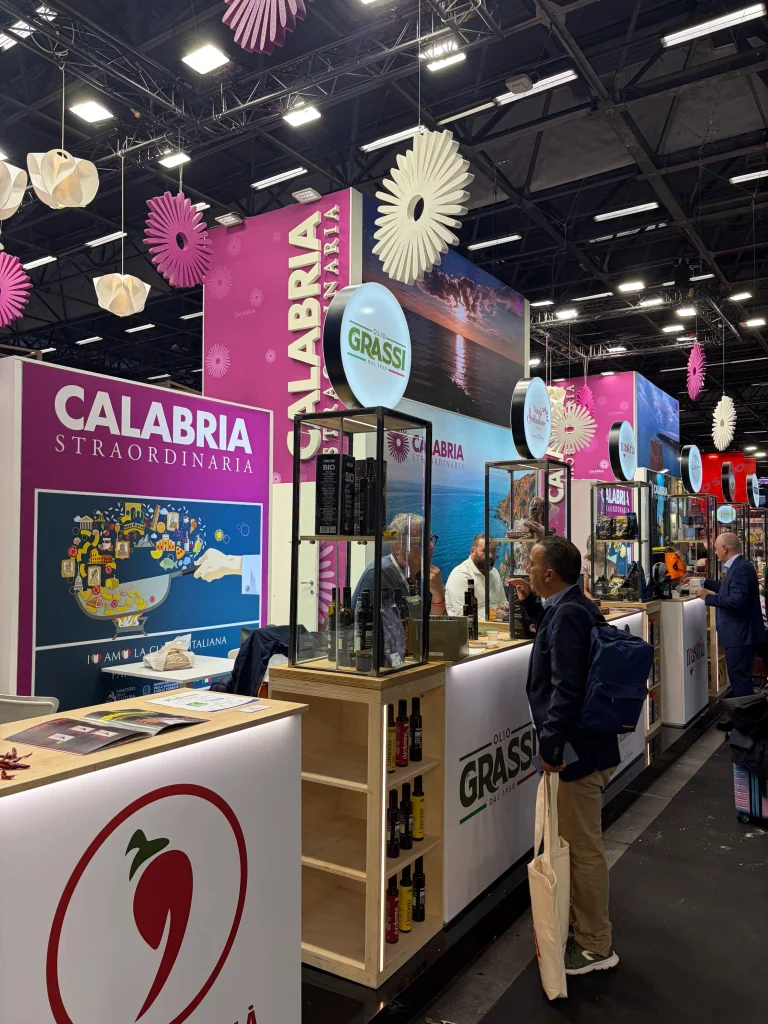
Each region brought a different mix of products and commercial priorities. Molise focused on its micro and small enterprises, presenting wine, olive oil, cheeses and truffles with an emphasis on quality certifications. Calabria attended with 39 food and beverage companies, whose offerings ranged from baked goods and ’nduja to drinks made with locally grown citrus fruits.
Sardinia highlighted Pecorino Romano, Pecorino Sardo and Fiore Sardo, three cheeses with Protected Designation of Origin status that represent an important part of its dairy industry. For Sardinian producers, expanding sales also means dealing with the additional costs associated with operating on an island. Sicily, Lazio and Puglia contributed companies and consortia from their respective food industries.
Campania used one of its best-known foods to introduce buyers to a wider network of suppliers. TuttoPizza International, promoted by the region in collaboration with SIAL organizer Comexposium and Universal Marketing, presented Neapolitan pizza through demonstrations and tastings. The focus included the ingredients behind it: flour, tomatoes, mozzarella, fiordilatte and olive oil.
Arnaud Boussemart, Group CFO of Comexposium, told ilNewyorkese that the collaboration between TuttoPizza and SIAL brings a product already recognized around the world into an international commercial network. For ingredient suppliers, pizza provides a familiar starting point from which to explain their own products to buyers.
Another Campania initiative connected food production with tourism. Through the project “Nuove rotte per i nuovi mercati,” the Approdo di Ulisse local action group presented wines, olive oils, cheeses and certified products from the Sorrento Peninsula, Amalfi Coast and Capri alongside the areas’ restaurants and cultural attractions. The aim is to reach both importers and visitors who can discover those foods where they are produced.
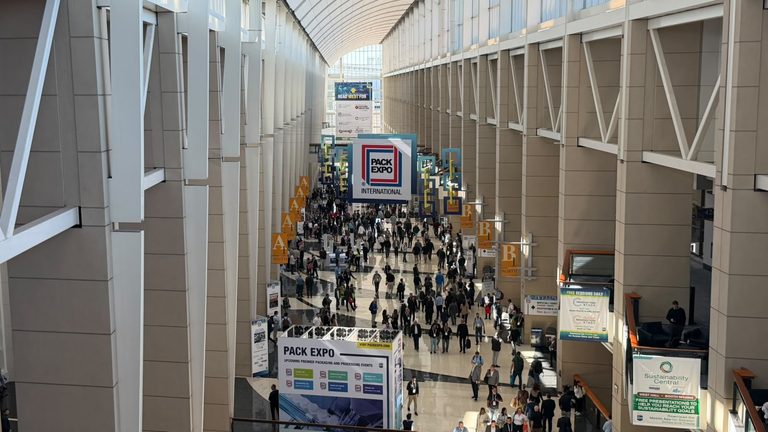
The Italian delegations were part of a much larger international gathering. Organizers had forecast approximately 8,000 exhibitors across 280,000 square meters and 295,000 trade visitors. The official exhibitor directory listed nearly 7,800 exhibitors.
France is also a significant market in its own right. Italy’s food and agricultural exports exceeded €72 billion in 2025, and France was their second-largest destination after Germany. According to figures published by the Italian Embassy in Paris, French imports of Italian products in the sector reached €6.84 billion in 2025, up 4.78 percent from the previous year. They totaled €3.35 billion in the first half of 2026, an increase of 2.3 percent.
Speaking in Paris, ICE President Matteo Zoppas reiterated the goal of bringing Italy’s overall exports to €700 billion, while pointing to the difficulties created by tariffs, conflicts and international instability. He also addressed competition from “Italian sounding” products, which use Italian names or imagery despite being made elsewhere. For producers selling abroad, clearly identifying origin and certification is part of distinguishing their goods from those alternatives.
Alongside the regional specialties, SIAL offered a view of changes across the food industry. Marking its 30th anniversary, SIAL Innovation received more than 2,750 submissions and selected 775 innovations, covering new foods, consumption formats and production solutions.
For Italian companies, those developments raise practical questions about how to reach consumers in different markets: which packaging to use, which formats buyers want and how products will be distributed. Italy’s participation brought those questions to businesses of very different sizes, including regional producers with less exposure to international trade.