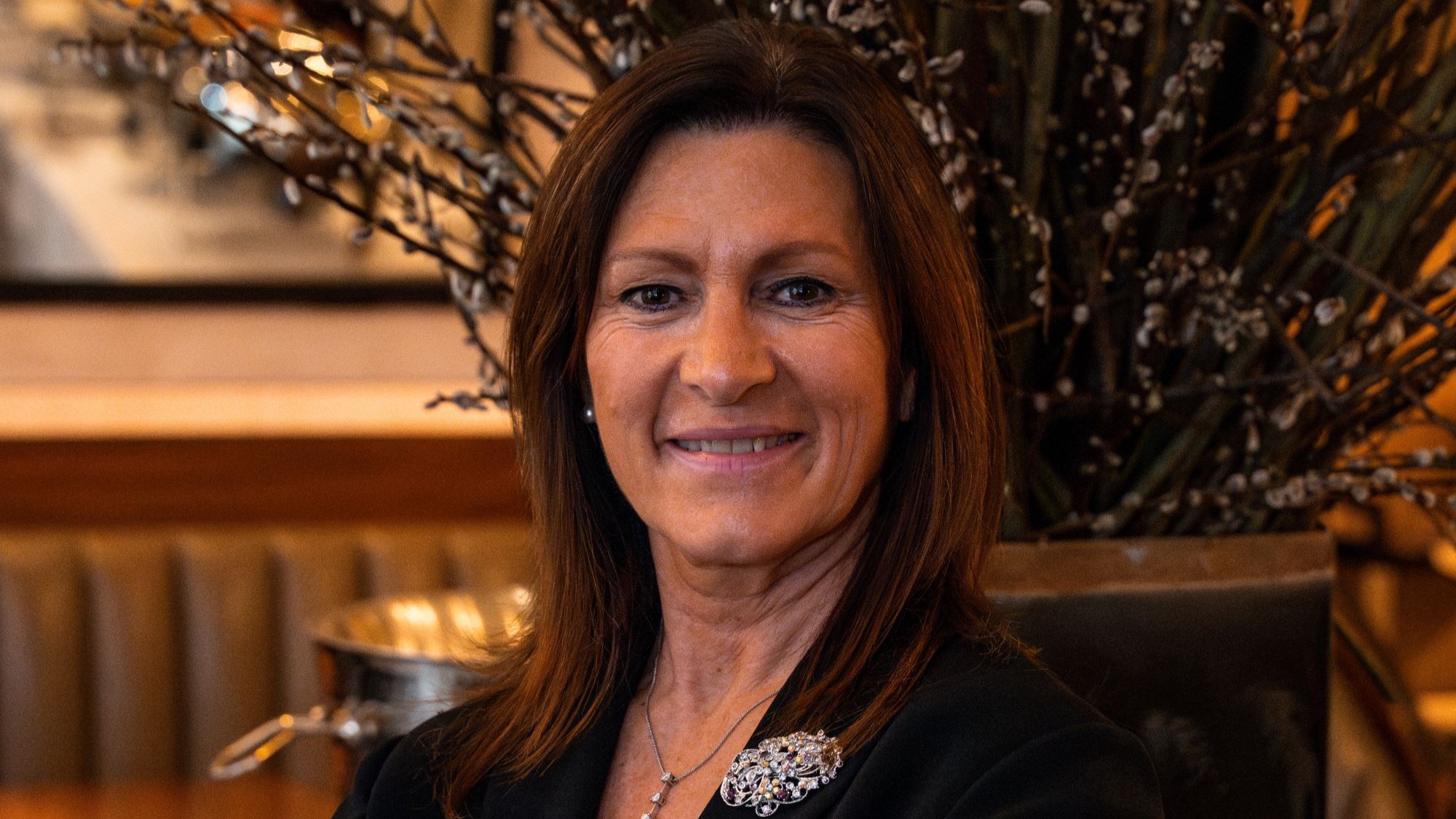


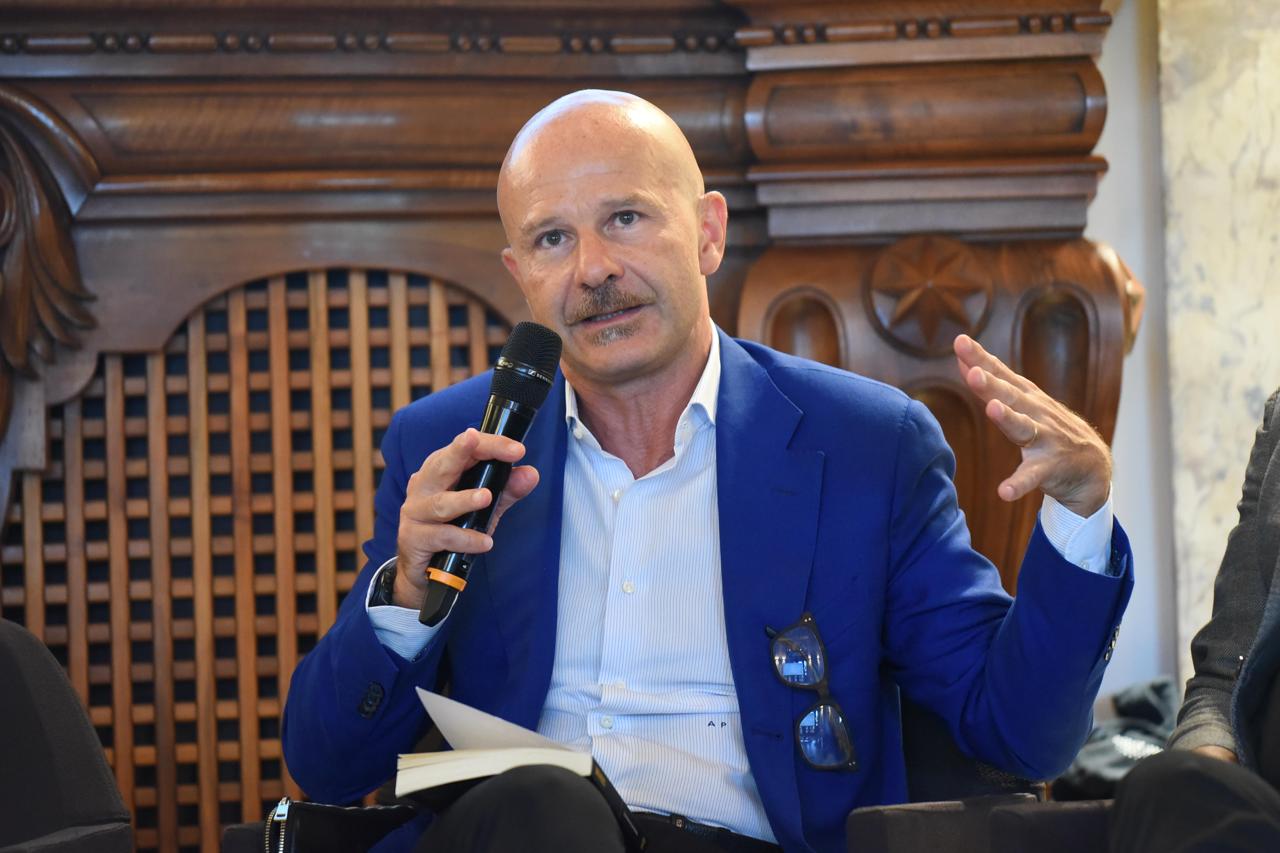
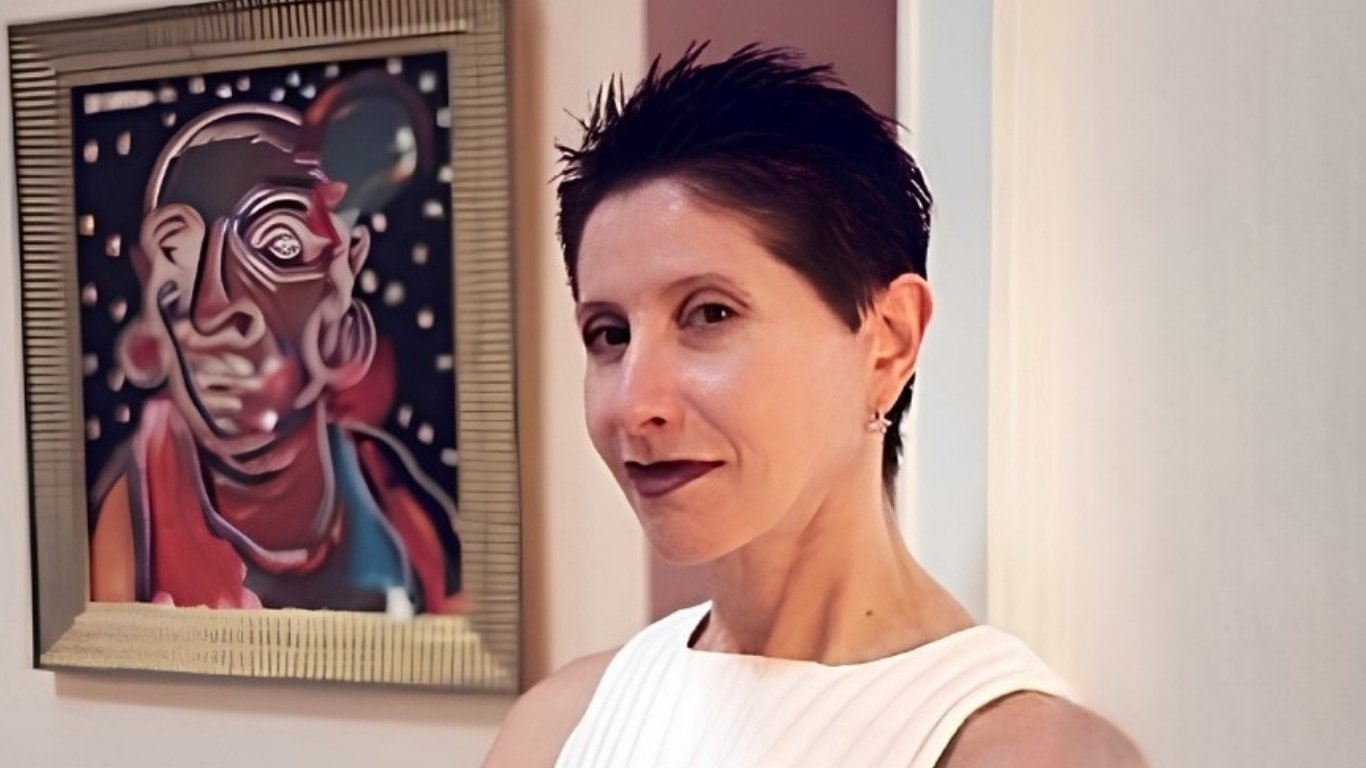
Doris Sommer is a professor at Harvard University. Her work explores what happens when languages and cultures meet, misunderstand one another and create something new. Her scholarship moves from national identity and minority literature to bilingualism, cultural agency and the civic function of the humanities. In her famous book – Bilingual Aesthetics – she treats the points of friction between languages and cultural codes as sources of creativity and democratic vitality. Her work – e.g. Cultural Agents and Pre-Texts initiatives – translate ideas into educational and civic practices (see www.culturalagents.org).
That is why I spoke with her: as The Manhattan Society wants to do more than tell stories about separate communities: it aims to create a shared space where people from different backgrounds can meet and build relationships.
I began with the New York that formed her. Doris grew up in Brownsville, Brooklyn, among children of immigrants from many parts of the world.
You have described growing up in an immigrant neighbourhood and attending public schools. What did New York teach you about living among different languages, cultures and ways of seeing the world?
«Everything I do has its impulse from those years. Everything. But it goes in stages, Andrea. It’s not one picture.
All of us immigrant kids in the Brooklyn neighbourhood where I grew up, Brownsville, wanted to be Americans. None of us was really American. We had parents from Poland, from China, from Greece, from Italy. But we were desperate to be American, so we would watch John Wayne movies.
That was the first kind of formation that New York left me with: this desire, always delayed, to be the real thing. What makes us nationalists, when we know it’s a fiction?
During those same years, we had an explosion of cultural syncretism called “salsa”. Latin America was woven into the New York fabric very tightly. The streets were full of musicians, dancers. That was my world. That’s where I felt good. People just embraced you. »
Doris’ answer led to the word “multiculturalism” that suggests cultures living side by side. Sommer is more interested in what happens between them: the gaps, crossed signals and misunderstandings.
Is “multiculturalism” still the right word?
«I guess it depends on how you define multiculturalism. I’m interested in the gaps. You’re talking to someone who studies language and literature. When people mistake me for a linguist, I explain to them that linguists want to get language right, and people in literature want to get it wrong.
You want the joke, you want the metaphor, you want the surprise. Otherwise, we’re dealing in correct linguistic, habitual constructions, and that’s not what literature is interested in. With a multilingual practice, you find lots of gaps, you find lots of intentional misunderstandings. You hear a joke when someone didn’t intend it, because it means something else in another language.
One understands language as an artifice, as something usable and adjustable, and a playful platform. You recognize language as a tool, as a medium. You recognize it as something artificial. That’s a big win. When you have more than one language, you’re only approximating the world. »
Communities do not meet simply because they live close to one another. I asked what turns proximity into curiosity and exchange.
What does proximity make possible?
«When you’re in a multicultural space, it’s because you’re sharing the space with people who speak a different language. You don’t even notice that you didn’t understand something if you’re not listening to someone speak.
One of our hobbies as children and teenagers was just to identify the languages that you hear on the street. But just to hear the difference between Swahili and Hausa, or Urdu and Hindi: that proximity, you heard something, where is that from?
I talked about salsa as mixing rhythms. You really feel it on a dance floor. People from every colour, every age group, every background are there on the floor, dancing together. The only thing they share is the rhythm, and it’s beautiful. The moves are different. What you’re charmed by is a surprise or anticipating the surprise and being a good partner.
The charm of it is both the shared rhythm and the innovations. If you’re dancing with a partner whom you can predict at every move, it’s boring. That’s what democracy is. I called it “Dancehall Democracy”. »
The Manhattan Society wants to create precisely this kind of shared space, without reducing people to stereotypes. I asked whether a magazine could become something like Sommer’s dance floor.
What can The Manhattan Society contribute?
«It’s always good to go beyond cultural stereotypes. I think that’s why we’re interested in multiculturalism, because it always brings up questions. I accompany you getting off a platform and getting on a dance floor. We’re developing the dance floor.
If we don’t develop a taste for cosmopolitanism, we are doomed. We’re not talking about boiling down cultures into one friendly, big group hug. We’re talking about curiosity, sometimes tolerance, but I like to say just the enjoyment of irritation. Because that’s what aesthetics is about: the enjoyment of a surprise. You saw something, you heard something that you didn’t understand. How are you going to respond?
One thing that I wrote into the Bilingual Aesthetics book was the everyday sublime. We’re used to thinking about the sublime, as something beyond us, big, you know, holy. But Kant wrote about the sublime just when the French Revolution was about to pop. I’m sure that one of his motives, part of the fuel there, was asking himself, what do you do with fear?
The work of aesthetics can prepare us to enjoy what we don’t like: foreigners, foods, sounds, smells. And work through them in a way that makes us say, wow, the world is more complicated than I can manage. That was our feeling of excitement on the streets of New York. You know, if people go on the street and want to hear what everybody is saying and feel comfortable, we will not imagine what democracy means. It means processing surprise through reflection and conversation.
The Manhattan Society has a beautiful mission: making cosmopolitanism manageable and attractive, as a platform or a dance floor. »
That answer suggested that living with difference requires more than tolerance.
Is tolerance enough?
«Let me add another word that I learned from Antanas Mockus, my favorite mentor: admiration. For him, the basic sentiment for citizenship is admiration, not even respect. When you know that somebody is or could be admirable, you really listen. Respect you can generate from yourself. You can decide to respect someone. You can be in the driver’s seat with respect. You certainly are with tolerance. But admiration? You’re really responding, you’re de-centering the self. »
I would have spent hours conversing with Doris on multiculturalism, its meanings, its nuances, but I wanted to finish off with her public-humanities work and her recent formulation that the humanities are distinctive because they welcome difference, doubt and multiple interpretations and therefore may have an impact on people’s education well beyond the usual scholarly indicators.
Your work with Cultural Agents and Pre-Texts suggests that the arts do more than represent diversity: they can educate people to exercise curiosity, judgement and imagination in relation to others. What can literature, cinema and the arts accomplish in a multicultural city?
«Our projects are truly impactful on people’s education and health! we should enter the public school system in New York. And you know, children don’t read anymore. Even our university students don’t read anymore. How are we going to have citizens if people don’t read and talk to each other about important things?
So, it’s our obligation, it’s not just a choice. And what happens with our project Pre-Texts? We go into a school where 3 kids are from the Dominican Republic, 4 kids are from Haiti, a few from Nigeria…and in the public schools, you really see it. So, what happens if you bring in a basic text in English, you bring in something by Thoreau, who lived close to here.
And then you say, let’s make art from this text. Well, if you and I must make a choreography about walking around the lake. We do it in Italian. Some other kids will do it in Swahili. But we all must read the text in English and perform for each other. Do you see? So, we can use Pre-Texts as a glue for this agile “dance floor”. For cosmopolitanism, because for cosmopolitanism, you need a lingua franca. You need it. You can’t have New York without English. But English is not enough. »
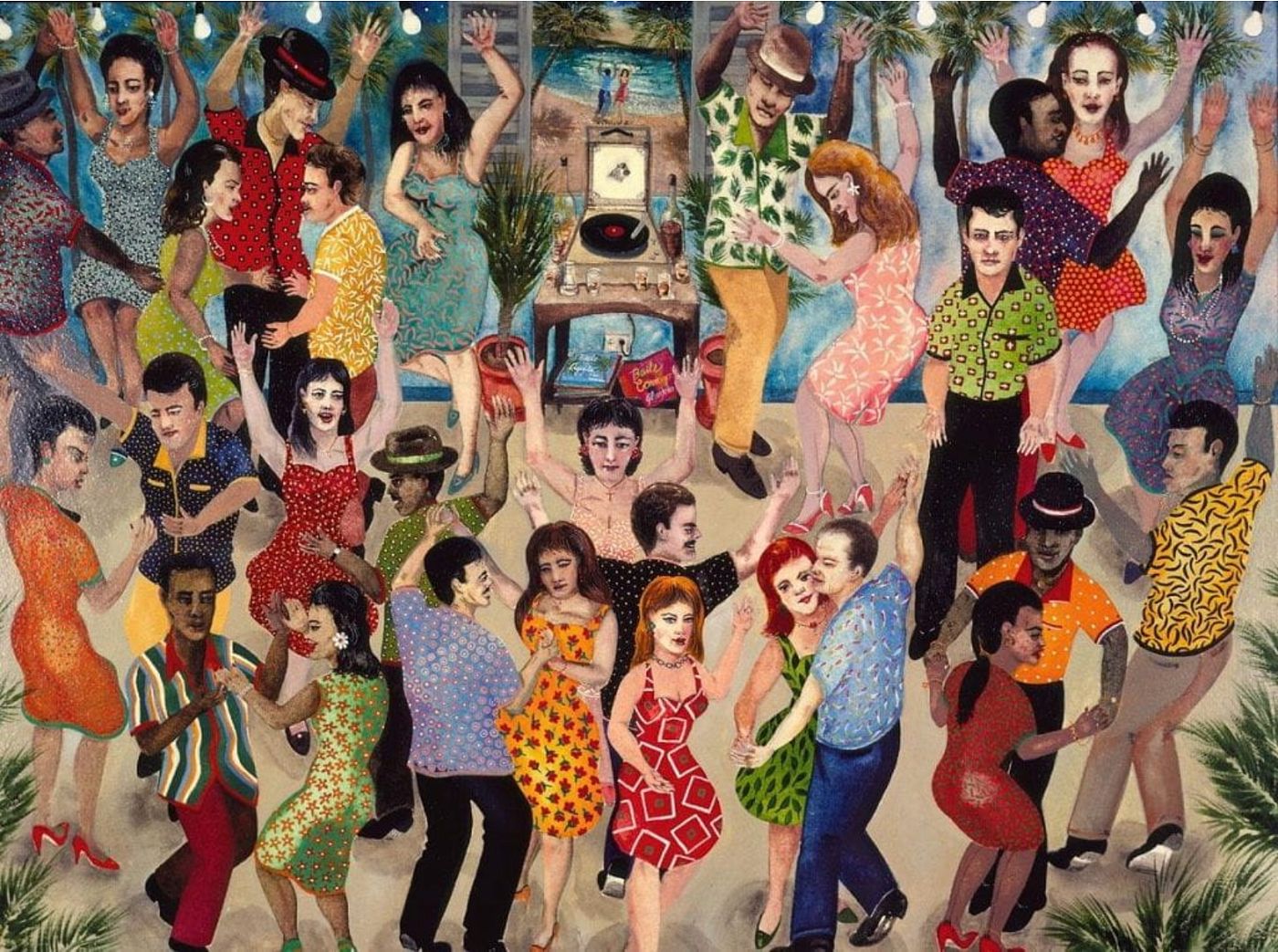
El Club by Nick Quijano (1992), representing the “dance floor” Doris refers to in her writings.
As our conversation came to an end, I was left with the feeling that Doris Sommer had shifted the focus from multiculturalism to something more demanding. Living in a cosmopolitan city is not simply a matter of sharing space with people who are different from us. It is learning to inhabit uncertainty, to welcome surprise and to discover that misunderstanding can be the beginning of understanding. In this sense, New York is a school of citizenship. And perhaps that is also the ambition of The Manhattan Society: to become, in Doris Sommer’s words, a dance floor where differences are transformed into dialogue and imagination. Indeed, Doris describes cosmopolitanism as an “educational achievement”: a person becomes cosmopolitan by cultivating curiosity, interpretation, imagination and admiration.