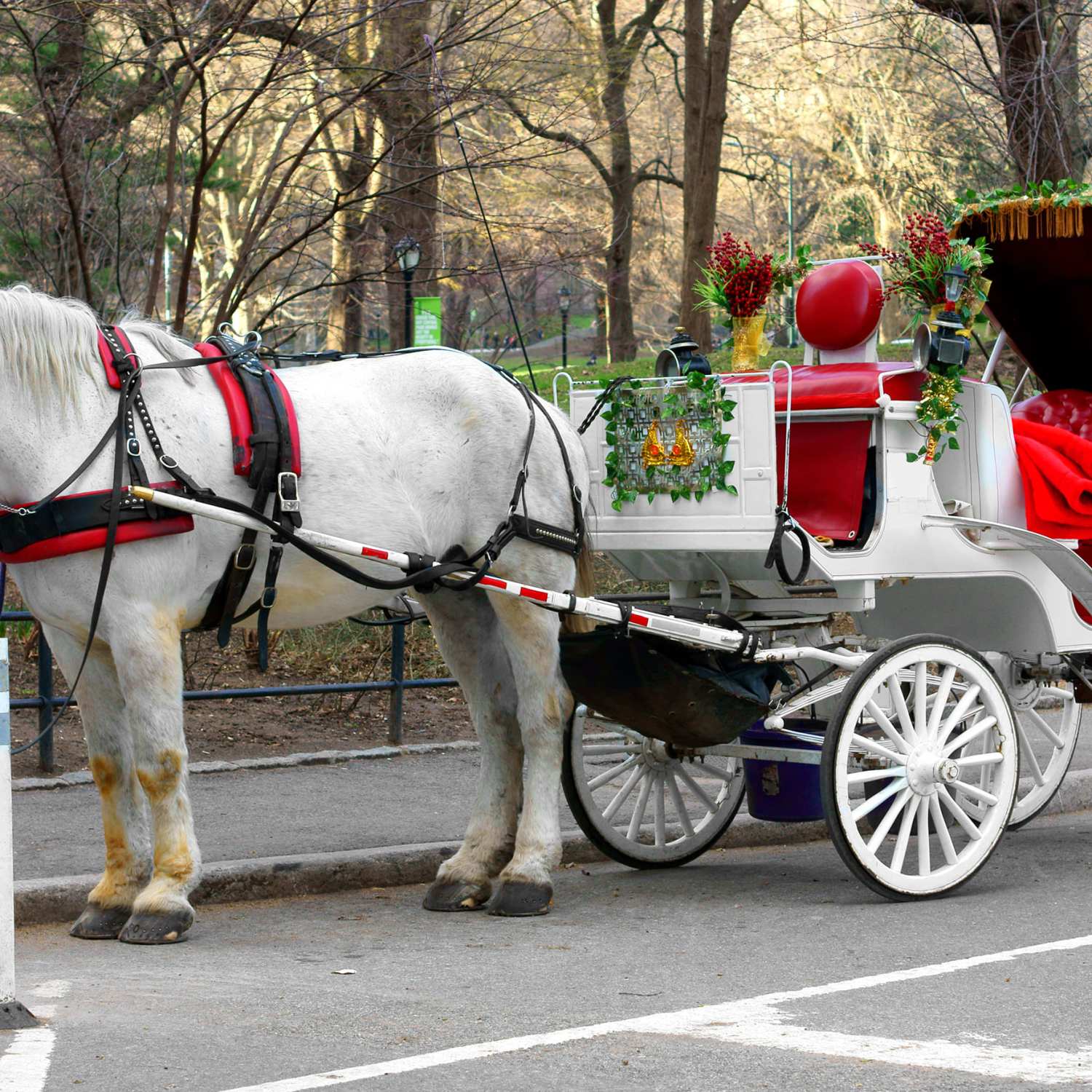



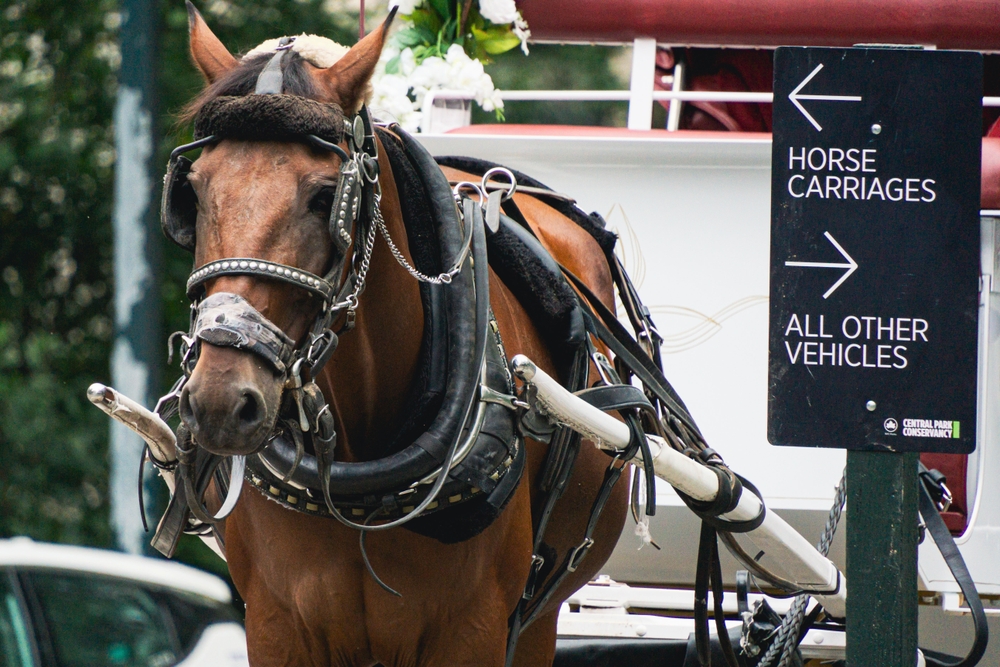
Deniz’s death, a 16-year-old horse used for the carriages of Central Park, is a new episode in the long discussion of horse-drawn carriages in New York. According to the preliminary results of a necroscopy spread on Tuesday by the Transport Workers Union Local 100, the union representing owners and drivers, Deniz would ingest a very common plant in American parks and gardens, but lethal for horses: the Japanese rate. The report, made by a veterinary pathologist at Cornell University, would have found a plentiful amount of the plant in the mouth and stomach of the animal. But it is not yet the official cause of death: that must be established by the Department of Health of the city at the end of the complete necroscopy.
The Japanese rate, or Japanese yew, is an evergreen shrub often used in landscaping, also because it resists well and remains green all year round. The problem is that it contains toxic alkaloids, called taxis, which can interfere with the electrical system of the heart. In sensitive animals, including horses and cattle, ingestion can cause tremors, respiratory difficulties, seizures, collapse and cardiac arrest. According to the union reconstruction, Deniz would stop eating some leaves during a tour near East 90th Street. Shortly thereafter he would start trembling, then collapse on the ground. The pathologist would have indicated that to kill a horse of his weight, about 650 pounds, a quantity less than a kilo of plant would be enough.
Deniz’s driver Nurettin Kirbiyik said he felt relieved after days of accusations and threats, claiming that necroscopy would show a different cause than that indicated by animal rights activists. The union accused the Central Park Conservancy, the organization that manages the maintenance of the park, of not having reported the presence of a dangerous plant in an area accessible from horses. The Conservancy responded that, according to the rules of the park, horses cannot eat the vegetation, and drivers must always watch them.
Deniz’s death arrives as the City Council is coming back to discuss the future of horse carriages, a New York tourist tradition that for many is now incompatible with a busy, noisy and full of bikes, pedestrians and traffic. A previous version of the so-called Ryder’s Law, from the name of a horse collapsed in 2022 and died a few months later, provided for the progressive stop to licenses and the end of horse-drawn carriages, but had been rejected in commission in November 2025. After Deniz’s death, a new version of the proposal has returned to the centre of the discussion, along with other hypotheses more oriented to strengthen controls without abolishing the sector.
L’articolo The dead horse in Central Park would have eaten a toxic plant proviene da IlNewyorkese.