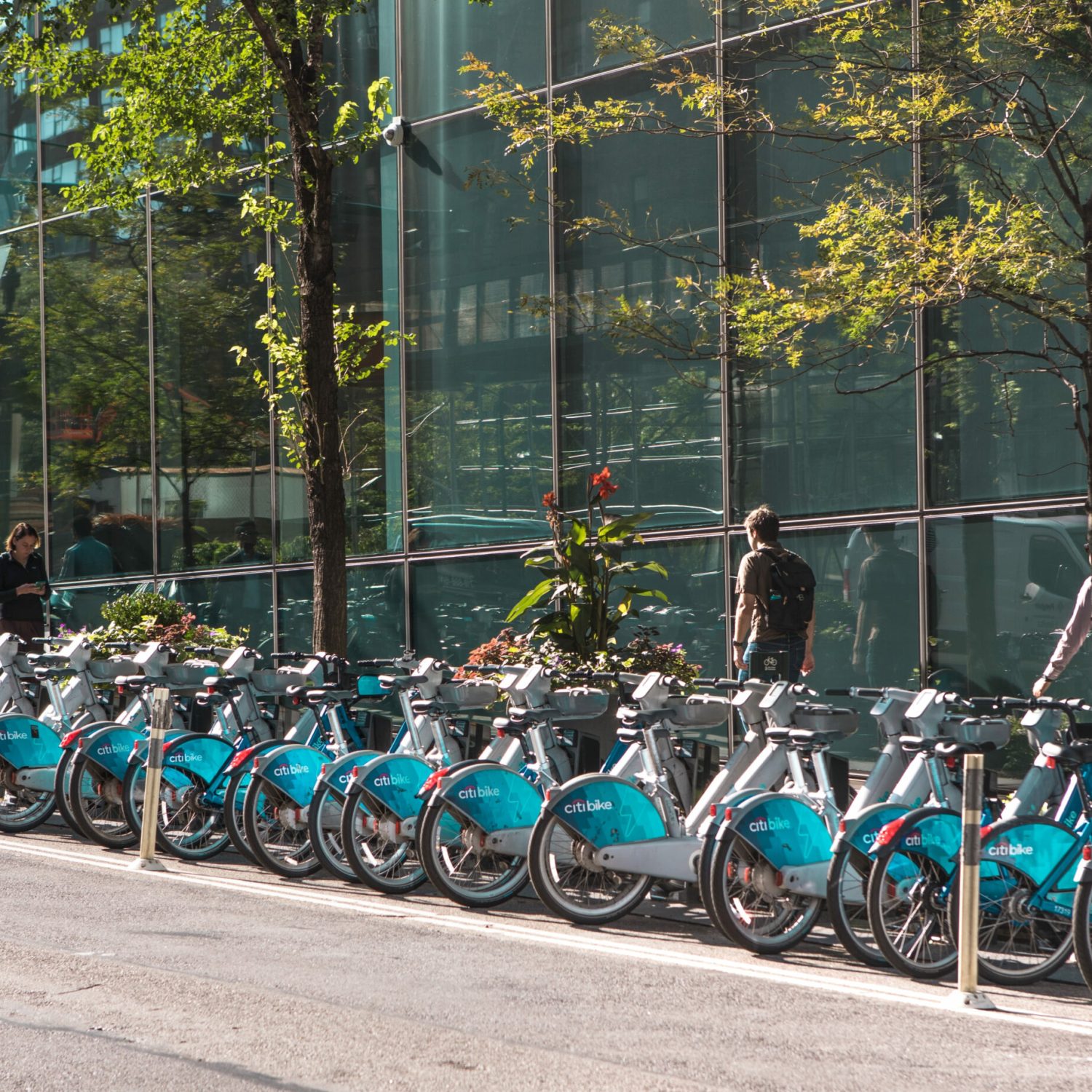




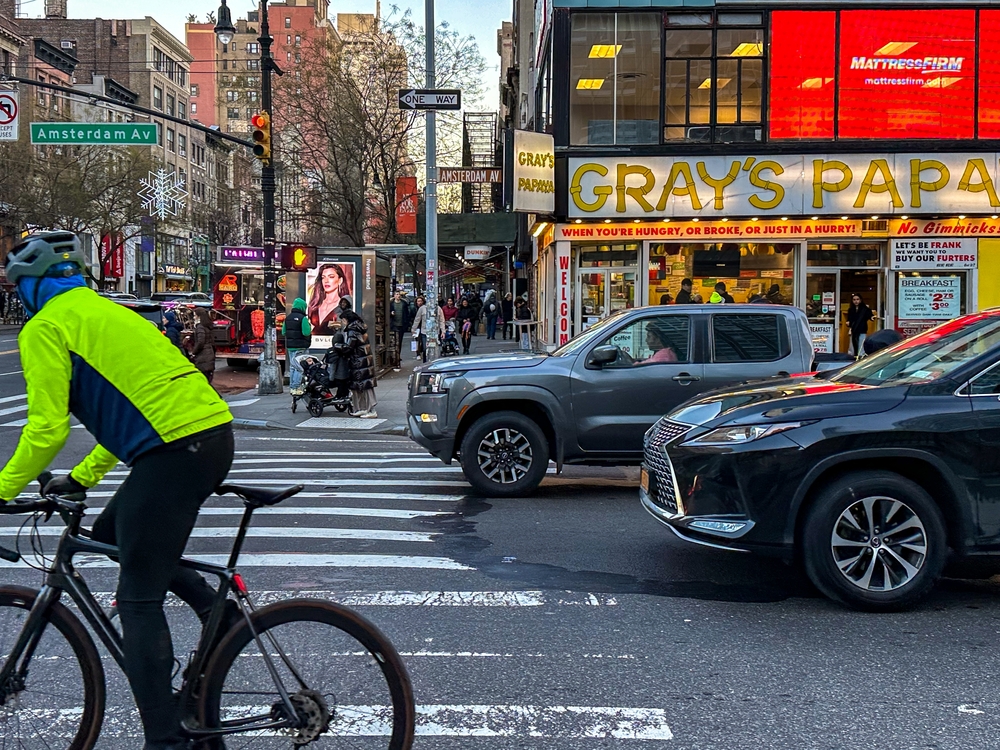
There are those who dream of a New York green, and those who dream of a New York with less cars. Often the two things cross, and it is not surprising to know that the direction that has undertaken the city could sooner or later lead us to see more bikes than cars on the streets of New York. The data of the Department of Transport indicate that in 2023 approximately 620 thousand daily bike travels were recorded, with an increase of more than 60% compared to ten years earlier.
If these are numbers that make the above-mentioned dreamers hopefully, there are obviously also structural limits that emerged as the spread of the bicycles took place: in particular, the difficulty of crossing Manhattan from east to west in safety conditions, in a system designed especially along north-south directions.
This is why NYC DOT was born to redevelop 72nd Street, one of the busiest transversal axes on the Upper West Side. The plan previews the reduction of lanes for cars from four to two in the western part, between Riverside Boulevard and Central Park West, to make room for a double-way protected cycle path. The lane will be separated from the traffic thanks to a barrier constituted by the cars in stop. The intervention also includes changes to road and public space: extensions of the sidewalks with horizontal signage, improved visibility to the crossings, new islands of stop for concrete buses and areas dedicated to cargo and unloading goods, designed to reduce the double row, one of the main causes of congestion in the neighborhood.
If the Upper West Side has a relatively extended network of protected slopes along the north-south axis, secure cross-connections remained rare. The 72nd road, in particular, is now perceived as one of the most problematic points for cyclists, due to intense vehicular traffic and frequent irregular occupation of the road.
Studies cited by the Department of Transport show that protected cycle paths can reduce accidents involving cyclists of about one third and contribute to a significant decrease in serious accidents even among pedestrians. Project support comes from both institutional representatives, such as the deputy Jerry Nadler, and organizations such as Transportation Alternatives and Bike New York, who for years have called for structural interventions to make the network more continuous and accessible.
The administrative process is already in progress. The Manhattan Community Board 7 transport committee voted in favour of the project with seven votes against two, while the vote of the entire district council is scheduled for the beginning of May. According to Streetsblog, the Department of Transport intends to proceed anyway with the realization. Work for the western part could start in the summer of 2026. In parallel, a proposal is expected to extend the intervention on the east side, between Fifth Avenue and York Avenue. If completed, the cycling corridor would allow for the first time a continuous and protected crossing between Hudson River Greenway and Central Park, with a prospect of future connection to the East Side Greenway, significantly redesigning the island’s transversal mobility.
L’articolo The project to redesign New York mobility proviene da IlNewyorkese.